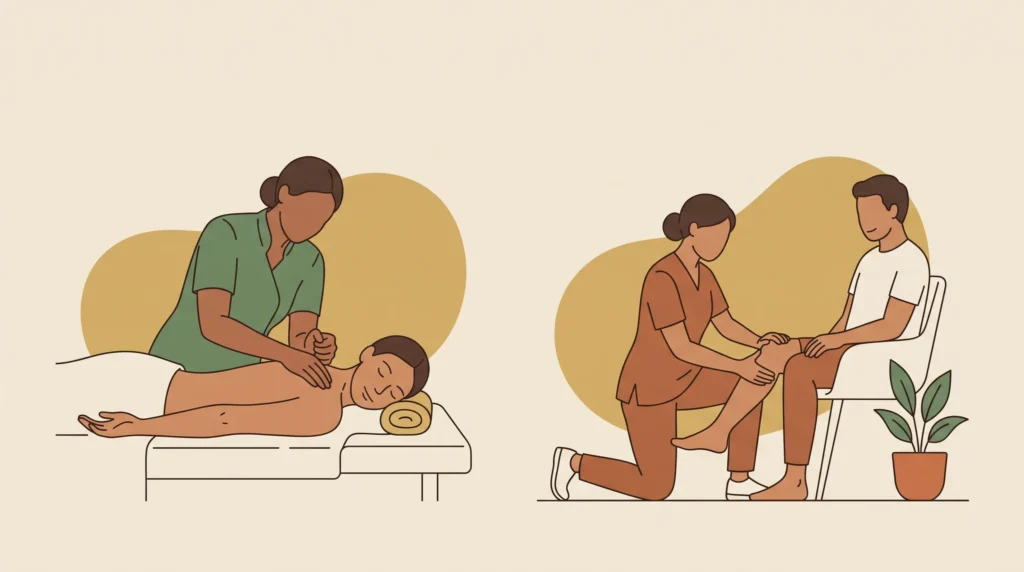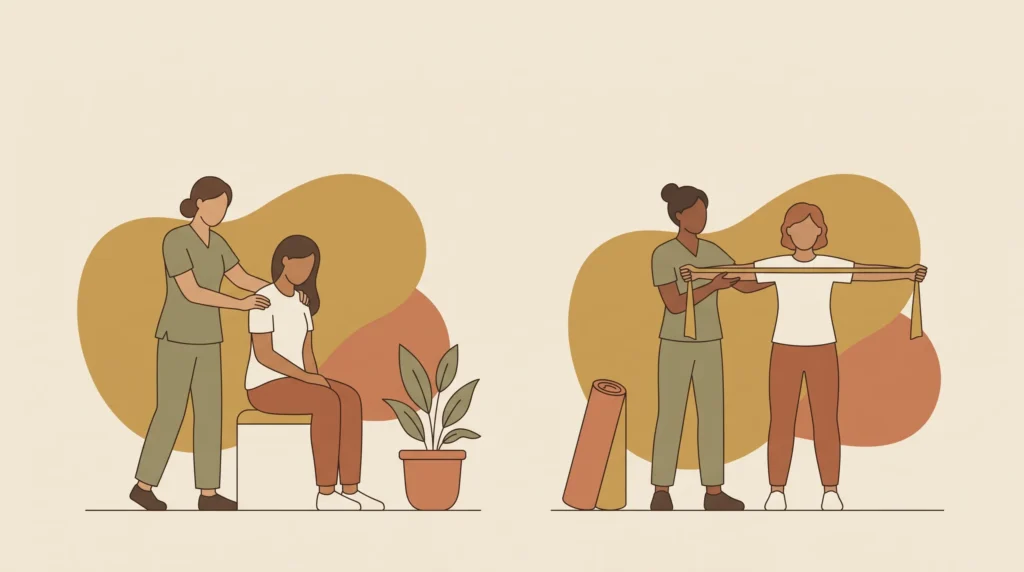

When your head starts pounding, figuring out tension headache vs migraine isn't always obvious — and the difference matters more than you might think. Migraine vs tension headache comes down to more than just pain intensity; the underlying causes, symptoms, and best relief options are genuinely different for each. If you're dealing with frequent head …

When your head starts pounding, figuring out tension headache vs migraine isn’t always obvious — and the difference matters more than you might think. Migraine vs tension headache comes down to more than just pain intensity; the underlying causes, symptoms, and best relief options are genuinely different for each.
If you’re dealing with frequent head pain, understanding which type you’re experiencing can help you find relief that actually works — including knowing when massage therapy can help, and when it can’t.
What Is a Tension Headache?
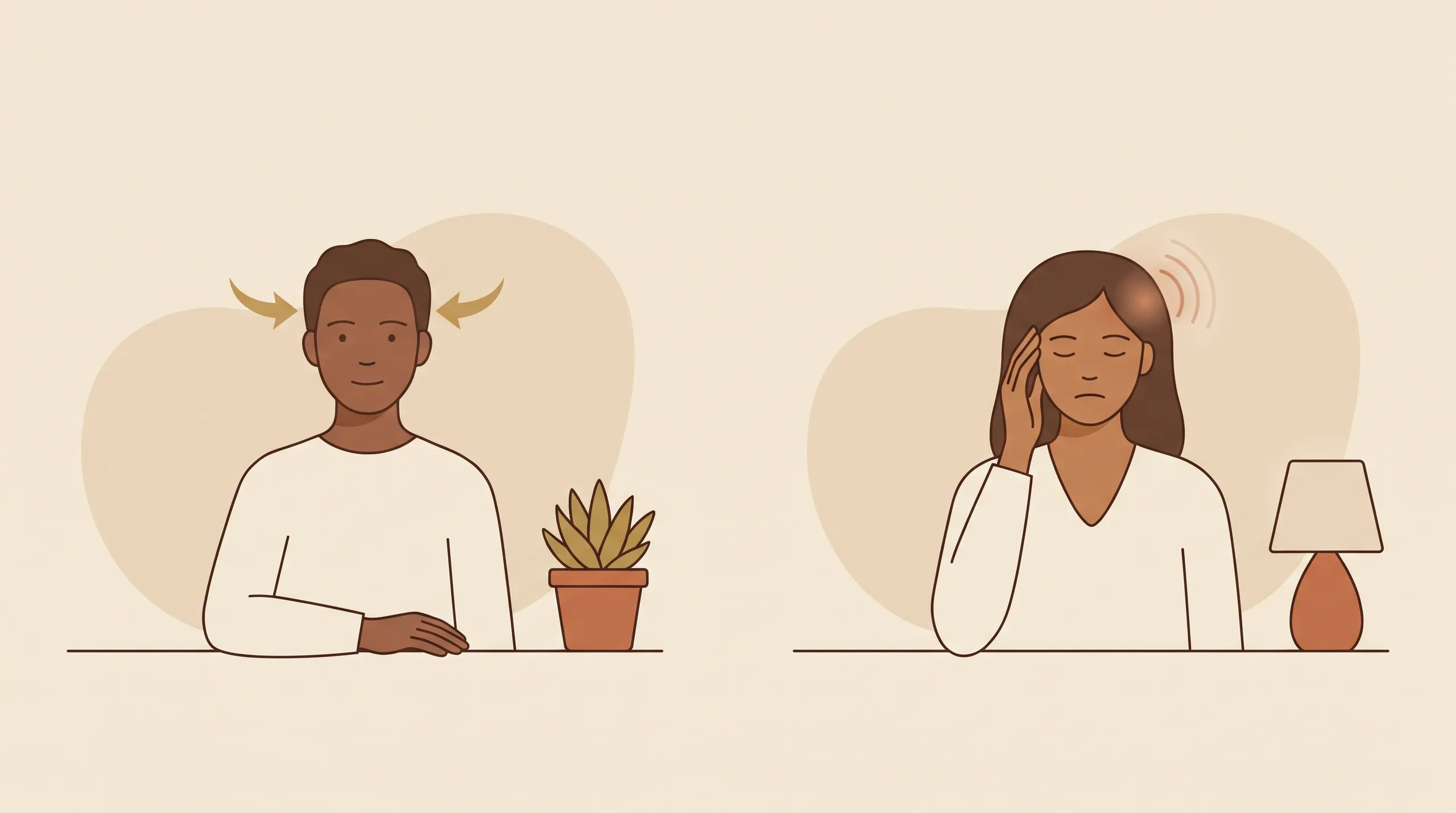
A tension headache is the most common type of headache, often described as a tight band of pressure wrapped around the head. The pain is usually dull and steady rather than sharp, and it typically affects both sides of the head or the back of the neck and scalp. Most tension headaches are mild to moderate and don’t stop you from going about your day, though they can become more frequent or long-lasting when stress, poor posture, or muscle tension builds up over time.
What Is a Migraine?
A migraine is a different experience altogether. According to research published in The Journal of Headache and Pain, migraines often come with premonitory symptoms — like fatigue, mood changes, or neck pain — in the hours or days before the headache itself begins, something that isn’t typically seen with tension headaches. Migraines are also frequently linked to hormonal changes, with attacks often occurring around the menstrual cycle for many women.
Beyond the timing, migraine pain itself tends to be throbbing rather than steady, often concentrated on one side of the head, and commonly accompanied by nausea, sensitivity to light and sound, and sometimes visual disturbances known as aura.
Tension Headache vs Migraine: Key Differences
Because tension vs migraine headache symptoms can overlap, it helps to compare them side by side.
| Symptom | Tension Headache | Migraine |
|---|---|---|
| Pain type | Dull, steady pressure | Throbbing, pulsating |
| Location | Both sides, or band-like around the head | Often one side of the head |
| Severity | Mild to moderate | Moderate to severe |
| Associated symptoms | Neck/shoulder tightness, rarely nausea | Nausea, light and sound sensitivity, possible aura |
| Common triggers | Stress, poor posture, muscle tension | Hormonal shifts, certain foods, sensory triggers |
How Massage Therapy Can Help With Tension Headaches
Tension headache massage is one of the better-studied non-drug approaches for this type of pain. The American Massage Therapy Association points to clinical research showing that headache frequency was significantly reduced within the first week of a structured massage protocol, with the reduction continuing throughout the treatment period.
This works because tension headaches are so closely tied to muscle tightness in the neck, shoulders, and scalp. A trained therapist can target those areas directly, easing the tension that’s driving the pain rather than just masking it. If you experience frequent tension headaches, our massage therapy services are built around exactly this kind of targeted, therapeutic work — not just relaxation. Massage for tension headache typically focuses on the suboccipital muscles at the base of the skull, the upper trapezius, and the scalp itself, where trigger points often refer pain directly into the head.
Can Massage Help With Migraines Too?
Massage for migraine works a little differently than it does for tension headaches, and it’s worth being upfront about that. Massage isn’t a proven way to stop a migraine attack once it’s underway, and it won’t address the neurological mechanisms behind migraine the way it can address muscle-related tension pain.
That said, massage for migraine relief can still play a meaningful supporting role. Many migraine sufferers carry significant tightness in the neck and shoulders between attacks, and a head massage for migraine or neck massage for migraine focused on those areas may help ease that tension, reduce stress, and support better sleep — all of which are common migraine triggers. It’s a complementary approach, not a replacement for medical migraine treatment. You can learn more about how we approach this on our massage for migraine relief page.
When to See a Doctor Instead
Most tension headaches and even most migraines can be managed with the right combination of care, but some symptoms call for medical attention right away, including:
- A sudden, severe headache unlike any you’ve had before
- A headache following a head injury
- Headache accompanied by confusion, slurred speech, or weakness on one side of the body
- Headaches that are rapidly increasing in frequency or severity
If you experience any of these, seek medical care before booking any therapy session.
How to Decide: A Quick Checklist
- Is the pain a steady pressure or a throbbing pulse? Steady pressure points toward tension headache; throbbing points toward migraine.
- Do you feel nauseous or sensitive to light? These symptoms are far more common with migraine.
- Can you trace it back to neck or shoulder tightness? If so, massage therapy is likely to help directly.
- Are your migraines getting more frequent? Talk to a doctor, and consider massage as a complementary, not primary, approach.
Ready to find relief? You can book a massage session and let our therapists build a treatment plan around your specific symptoms.
FAQs
Can massage help with tension headaches?
Yes. Headache relief massage focused on the neck, shoulders, and scalp has been shown in clinical studies to reduce the frequency of tension headaches, since these headaches are closely linked to muscle tension in those areas.
Can massage stop a migraine?
Not directly. Massage for migraine isn’t a proven way to stop an active migraine attack, but it can help ease neck and shoulder tension between episodes and support relaxation, which may help reduce some common migraine triggers.
How often should I get a massage for headaches?
For frequent tension headaches, many people benefit from a session once or twice a week for several weeks, then tapering to regular maintenance visits. Your therapist can recommend a schedule based on your specific symptoms and triggers.
Does Copper Wellness offer massage for headache relief?
Yes. Our massage therapists work with patients dealing with both tension headaches and migraine-related tension, tailoring each session to target the muscle groups most connected to your symptoms.