

If regular massage feels good but doesn't quite reach the source of your pain, deep tissue massage is probably what you're looking for. It's a more focused, therapeutic approach designed to work through chronic muscle tension and support achy joints — not just help you relax. Here's what to actually expect from deep tissue massage, …

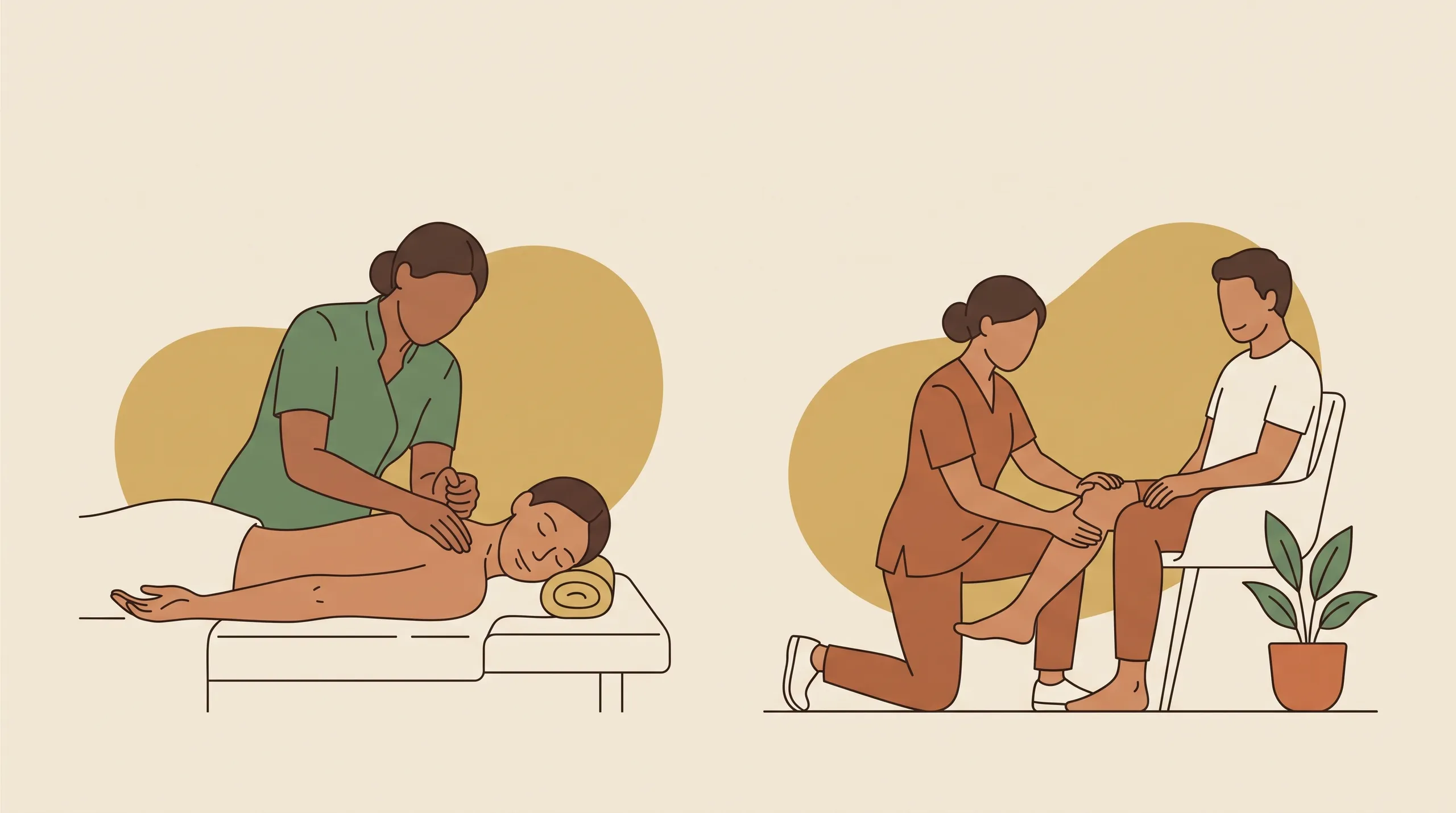
If regular massage feels good but doesn’t quite reach the source of your pain, deep tissue massage is probably what you’re looking for. It’s a more focused, therapeutic approach designed to work through chronic muscle tension and support achy joints — not just help you relax.
Here’s what to actually expect from deep tissue massage, how it works differently for muscle pain versus joint pain, and the practical questions most people have before booking a session.
What Makes Deep Tissue Massage Different?
So what is deep tissue massage, exactly? Unlike lighter, relaxation-focused techniques, deep tissue massage uses slow, deliberate strokes and firm, sustained pressure to reach the deeper layers of muscle and connective tissue. The goal isn’t just to soothe the surface — it’s to work through the tension, adhesions, and tight bands that build up over time and often don’t respond to lighter touch.
Benefits of Deep Tissue Massage for Muscle Pain
The benefits of deep tissue massage for muscle pain are well documented. A randomized controlled trial published in The Scientific World Journal found that two weeks of deep tissue massage led to significant pain reduction and improved function in patients with chronic low back pain — results comparable to combining massage with NSAID medication. These deep tissue massage benefits aren’t limited to the low back either; the same targeted approach applies to tight shoulders, hips, and other areas where chronic tension builds up.
This works because deep tissue massage directly targets the muscle tightness and adhesions that are often the real source of ongoing pain. By working through those deeper layers, a skilled therapist can loosen restricted tissue, improve blood flow, and reduce the kind of chronic tension that lighter massage simply can’t reach. Our massage therapy services are built around this kind of targeted, results-driven work.
Can Deep Tissue Massage Help With Joint Pain?
Deep tissue massage doesn’t treat joint pain the same way it treats muscle pain, and it’s worth understanding that distinction. It won’t reverse joint damage or address the underlying cause of a condition like arthritis. But research suggests it can still play a meaningful supporting role.
A study highlighted by the National Center for Complementary and Integrative Health found that weekly massage sessions provided short-term improvements in pain, stiffness, and function for people with knee osteoarthritis. The likely reason is indirect: massage helps relax the muscles surrounding a joint, improves circulation to the area, and reduces the compensatory tension that builds up when a joint isn’t moving freely. That combination can meaningfully ease discomfort, even without changing the joint itself.
Deep Tissue Massage for Athletes and Active Recovery
Deep tissue massage for athletes is one of the most common reasons people book this type of session. Whether you’re training regularly, recovering from a hard workout, or managing overuse from repetitive movement, deep tissue work can help break up muscle adhesions, improve range of motion, and speed up recovery between sessions. It’s also a useful complement to structured training, helping active bodies stay loose and reducing the risk of tightness turning into a bigger issue.
Is It Normal to Be Sore After a Deep Tissue Massage?
Yes — being sore after deep tissue massage is common and usually nothing to worry about. Because the technique works through deeper layers of muscle, mild soreness for a day or two afterward is a normal response, similar to how you might feel after a tough workout. As for whether does deep tissue massage hurt during the session itself, most people describe firm pressure and moments of discomfort rather than sharp pain. A good therapist will always check in and adjust pressure based on your comfort level.
How Often Should You Get a Deep Tissue Massage?
How often should you get a deep tissue massage really depends on what you’re addressing. For chronic muscle tension or ongoing pain, many people start with sessions once a week for several weeks, then shift to a maintenance schedule of every two to four weeks. If you’re wondering how often deep tissue massage makes sense for something more specific, like massage for lower back pain, your therapist can help build a schedule around your symptoms rather than a one-size-fits-all recommendation.
Deep Tissue Massage Techniques We Use
Deep tissue massage techniques typically include slow strokes, deep circular movements, and direct pressure using fingers, knuckles, forearms, or elbows to reach targeted areas. At Copper Wellness, our therapists tailor these techniques to your specific pain points and goals, whether that means focused work on a single problem area or a full-body session addressing multiple sources of tension.
Deep Tissue Massage in Chicago
If you’re dealing with persistent muscle tightness or joint discomfort, deep tissue massage Chicago patients trust is available right here at Copper Wellness — designed to get to the source of the problem, not just offer temporary relief. Ready to get started? You can book a massage session and let our team build a plan around what you’re actually dealing with.
FAQs
Does deep tissue massage hurt?
It shouldn’t be painful, but it’s normal to feel firm pressure and some discomfort, especially in areas of chronic tension. A skilled therapist will work within your comfort level and adjust pressure as needed throughout the session.
Is it normal to be sore after deep tissue massage?
Yes. Mild soreness for a day or two afterward is a common response, since the massage works through deeper muscle layers. Staying hydrated and gentle movement can help ease any lingering soreness.
How often should I get a deep tissue massage?
It depends on your goals. Many people benefit from weekly sessions during an initial period of addressing chronic tension, then move to a maintenance schedule every few weeks. Your therapist can recommend a plan based on your specific needs.
Can deep tissue massage help with arthritis or joint stiffness?
Deep tissue massage doesn’t treat the underlying joint condition, but research shows it can help reduce pain and stiffness in the short term by easing tension in the muscles around the joint and improving circulation to the area.