
Discover how fertility acupuncture improves IVF success, balances reproductive hormones, and reduces stress to support your journey to parenthood.


Clinical research indicates that acupuncture improves fertility outcomes by enhancing blood flow to the reproductive organs, balancing key reproductive hormones, and mitigating the body’s stress response. For patients pursuing natural conception, starting acupuncture at least 90 days before active trying optimizes the entire lifecycle of egg development. For patients undergoing assisted reproductive technologies (ART) such as in-vitro fertilization (IVF) or intrauterine insemination (IUI), integrating acupuncture during the ovarian stimulation phase and within 24 hours of embryo transfer significantly supports clinical outcomes. At Copper Wellness in Chicago, Illinois, our licensed practitioners design customized protocols to support your unique reproductive path. Whether your goal is to regulate an irregular menstrual cycle, improve the thickness of your endometrial lining, or manage the physiological stress of fertility treatments, a multi-disciplinary approach provides the strongest clinical foundation.
Does Acupuncture Help Fertility? The Science-Backed Truth
Acupuncture clinically improves fertility outcomes by modulating the neuroendocrine system, improving endometrial receptivity, and reducing systemic pelvic inflammation. Many reproductive endocrinologists recommend acupuncture as an adjunctive therapy due to its documented physiological mechanisms.
A primary mechanism of fertility acupuncture is the modulation of the hypothalamic-pituitary-ovarian (HPO) axis. This complex feedback loop governs the release of reproductive hormones, including luteinizing hormone (LH), follicle-stimulating hormone (FSH), progesterone, and estrogen. By regulating the HPO axis, acupuncture helps stabilize hormone production. This is highly beneficial for patients with hormonal irregularities, such as those associated with polycystic ovary syndrome (PCOS).
Furthermore, acupuncture increases blood flow to the pelvic cavity. A 1996 clinical study published in Human Reproduction found that electro-acupuncture reduced uterine artery blood flow impedance in infertile women, as measured by the pulsatility index. Improved uterine blood flow is associated with better endometrial receptivity, which some researchers believe may support the conditions needed for implantation. It’s worth noting that later trials have shown mixed results on whether this translates into higher pregnancy rates, so acupuncture is best viewed as a complementary approach rather than a guaranteed solution.
Additionally, acupuncture downregulates the sympathetic nervous system to reduce stress-induced cortisol and adrenaline. High stress levels stimulate the release of neuropeptide Y and corticotropin-releasing hormone, which can suppress ovulation and impair uterine receptivity. By inducing a parasympathetic, or “rest and digest,” state, acupuncture helps maintain the delicate hormonal balance required for conception.
Male-factor infertility also responds favorably to acupuncture. A study published in Fertility and Sterility found that men with idiopathic infertility who received acupuncture twice weekly for five weeks showed significant improvements in sperm motility and structural integrity compared to untreated controls. By reducing testicular oxidative stress and improving local microcirculation, acupuncture may support healthier sperm development over the roughly 74-day spermatogenesis cycle.
Common Acupuncture Points for Fertility and How They Work
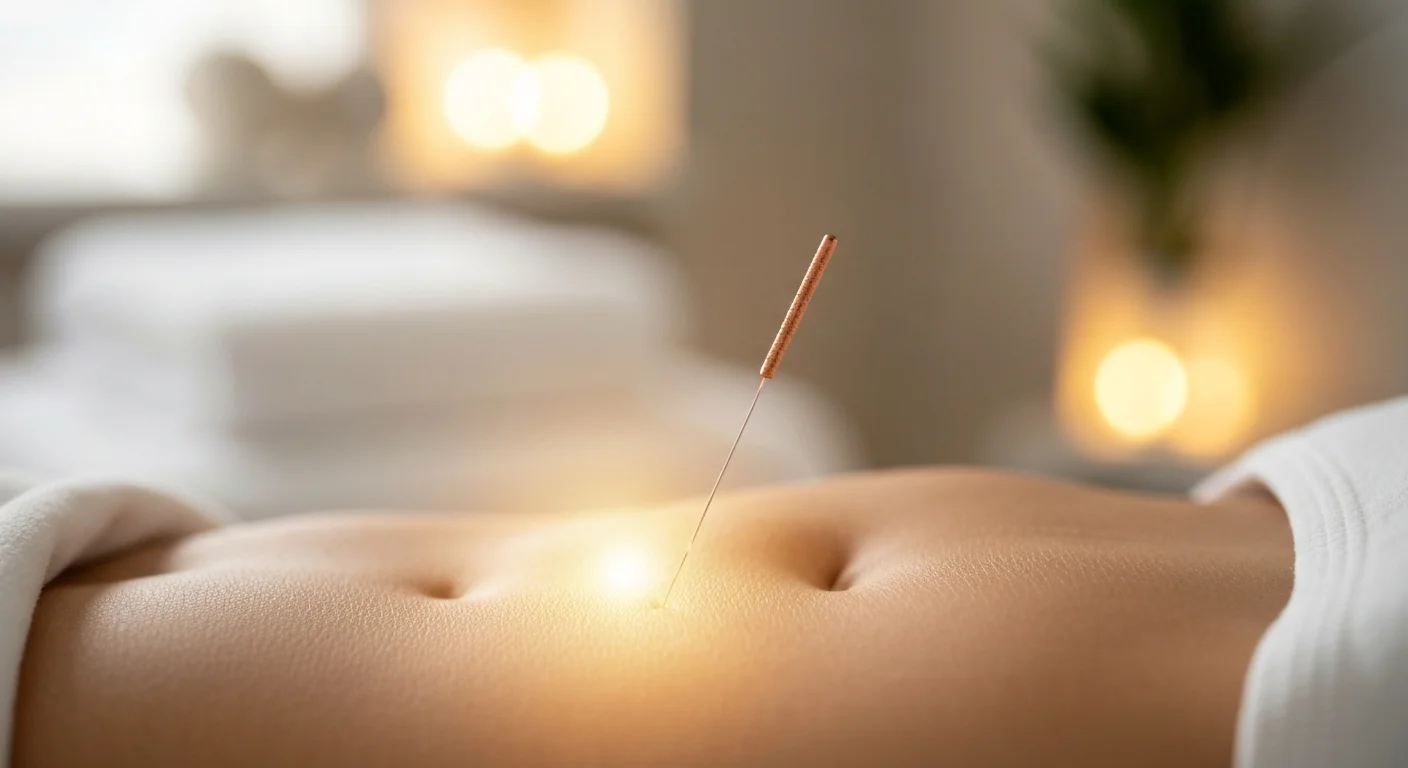
Acupuncture points for fertility are selected based on their specific anatomical proximity to major nerve pathways and their clinical ability to stimulate blood flow to the pelvic cavity. During a session at our Bucktown and Wicker Park clinic, our practitioners use sterile, single-use, stainless steel needles. These needles are as thin as a single strand of hair, making the insertion process virtually painless and highly relaxing.
We utilize a combination of local and distal acupuncture points to achieve optimal clinical results:
- Zi Gong (Uterus Point, EX-CA1): This point is located on the lower abdomen, approximately 3 cun (four fingers’ width) lateral to the midline and 4 cun below the umbilicus. Stimulating Zi Gong directly targets the branches of the hypogastric plexus. This action increases local microcirculation within the uterine artery, helping to build a healthy endometrial lining.
- Ren 4 (Guan Yuan / Origin Pass): Located on the midline of the lower abdomen, 3 cun below the umbilicus. This point aligns with the superior hypogastric plexus. In Traditional Chinese Medicine (TCM), Ren 4 strengthens vital energy and nourishes reproductive essence. Clinically, it helps regulate the neuroendocrine pathways that control ovarian reserve response.
- Spleen 6 (San Yin Jiao): Located on the inner lower leg, approximately 3 cun superior to the medial malleolus (inner ankle bone). Spleen 6 is the intersection of the Spleen, Liver, and Kidney meridians. Stimulating this point activates the tibial nerve, sending signals to the sacral segments of the spinal cord (S2-S4). This process helps regulate parasympathetic tone, relaxes the pelvic floor muscles, and relieves pelvic congestion.
- Yintang (Hall of Impression): Located directly between the inner eyebrows. This point stimulates trigeminal nerve endings, which triggers the central nervous system to release beta-endorphins. This neurological response lowers systemic anxiety, downregulates the adrenal glands, and reduces cortisol levels that can otherwise interfere with reproductive function.
Is Acupuncture Safe During IVF and IUI Cycles?
Acupuncture is highly safe and clinically beneficial when integrated into IVF and IUI protocols under the guidance of a board-certified reproductive acupuncturist. Many patients utilize acupuncture for IVF support to manage the physical side effects of medication and to optimize clinical pregnancy rates.
To understand why timing is so critical, patients must understand the 90-day folliculogenesis window. A primordial follicle takes approximately 90 days to mature into a dominant follicle before ovulation. The eggs retrieved during an IVF cycle or ovulated naturally today actually began their development three months ago. Initiating acupuncture during this 90-day window improves the mitochondrial energy of the developing oocytes. It also enhances the vascularization of the follicular wall, ensuring the egg receives optimal nourishment.
A comprehensive clinical timeline for IVF and IUI support includes:
- The Priming Phase (90 Days Prior): This phase focuses on regulating the HPO axis, improving egg quality, and preparing the endometrial lining for future implantation.
- The Ovarian Stimulation Phase: Sessions are scheduled 1 to 2 times per week to mitigate the side effects of gonadotropin medications. This helps reduce bloating, headaches, and mood fluctuations while promoting symmetrical follicular growth.
- The Embryo Transfer Phase: Following the clinically validated Paulus Protocol, sessions are administered within 24 hours before and after the embryo transfer. A landmark clinical trial published in the journal Fertility and Sterility showed that clinical pregnancy rates reached 42.5% in patients who received acupuncture on the day of transfer, compared to 26.3% in the control group. This protocol relaxes the uterine wall, prevents subclinical micro-contractions, and supports early implantation.
A common professional mistake is using local abdominal acupuncture points immediately after an embryo transfer or during the post-ovulation luteal phase. Our experienced practitioners, such as Dr. Stephanie Madden, use strictly distal points on the hands, arms, and lower legs during this time. This approach ensures patient safety while still providing strong neurological signaling to support early pregnancy.
When to Start Fertility Acupuncture: Timing and Frequency

The clinical timing and frequency of fertility acupuncture sessions are carefully calibrated to match the distinct phases of your menstrual or medical cycle to achieve cumulative physiological benefits. While beginning treatment at any stage of your journey is beneficial, committing to a structured schedule yields the highest clinical efficacy.
We recommend the following frequency guidelines based on your specific reproductive goals:
For patients trying to conceive naturally, we cycle-sync your treatments. During the follicular phase (days 1 to 14), we focus on promoting follicular recruitment and thickening the uterine lining. During the ovulatory phase, we support the smooth release of the egg. Throughout the luteal phase (post-ovulation), we transition to gentle, supportive distal points that promote progesterone production and encourage a calm uterine environment.
Once pregnancy is achieved, we continue to support patients through the first trimester. Weekly sessions through week 12 help stabilize the pregnancy by maintaining uterine blood flow. These gentle treatments also help manage common early symptoms such as morning sickness, fatigue, and physical anxiety.
Holistic Integration: Combining Acupuncture with Pelvic Floor Therapy & Chiropractic Care

An integrative healthcare model combining acupuncture with pelvic floor physical therapy and chiropractic care provides a structural and neurological foundation for reproductive success. At Copper Wellness, our practitioners communicate directly with one another to coordinate care, addressing the root causes of reproductive challenges rather than treating isolated symptoms.
Structural alignment and muscle tone within the pelvis play a major role in reproductive health:
Pelvic Floor Physical Therapy: Chronic tension, myofascial restrictions, or conditions like pelvic congestion syndrome can restrict blood flow to the reproductive organs. For patients dealing with reproductive challenges, Dr. Lisa Lagomarcino uses specialized pelvic floor therapy for endometriosis and pelvic pain to release deep tissue restrictions. This therapy improves the physical mobility of the uterus and ovaries, ensuring they receive optimal blood flow.
Webster Technique Chiropractic Care: Misalignment of the pelvis or sacrum can place asymmetric tension on the supportive uterine ligaments, such as the broad and round ligaments. This structural tension can affect the physical space within the pelvis and compromise nerve signaling from the spine. Dr. Adam Mohr, a Webster Certified Chiropractor, utilizes specialized pelvic alignment protocols to reduce joint subluxations in the sacrum. This gentle, targeted prenatal chiropractic care optimizes neurological pathways and supports pelvic alignment, preparing the body to carry a pregnancy comfortably.
Comparing Fertility Support: Natural Conception vs. IVF Support
Choosing between a natural conception protocol and clinical IVF/IUI support depends entirely on your current medical path, reproductive timeline, and diagnostic profile. The table below details how our clinical approach adapts to meet your specific reproductive needs.
| Treatment Feature | Natural Conception Support | IVF / IUI Clinical Support |
|---|---|---|
| Primary Clinical Goal | Regulate the menstrual cycle, promote natural ovulation, and balance endogenous hormones. | Maximize healthy follicle recruitment, mitigate medication side effects, and prevent uterine spasms. |
| Optimal Starting Time | 3 to 6 months before active trying to address underlying hormonal or cycle irregularities. | 90 days prior to egg retrieval; critical session on the day of embryo transfer. |
| Treatment Frequency | 1 session per week, adjusted to sync with the follicular, ovulatory, and luteal phases. | 1 to 2 sessions per week during stimulation; immediate pre- and post-transfer sessions. |
| Integrative Modalities | Chinese herbal medicine, pelvic floor physical therapy, and stress-reducing massage. | Pelvic floor therapy (pre-retrieval) and gentle, safe distal acupuncture points (post-transfer). |
| Estimated Out-of-Pocket Cost | $110 to $180 per individual session; packages and insurance coverage can significantly reduce cost. | $130 to $220 per session; pre/post-transfer day protocols may vary based on timing. |
How to Choose a Fertility Acupuncturist in Chicago
Selecting an acupuncture practitioner for fertility care requires evaluating their professional board certifications, specialized clinical training, and collaborative care capabilities. Working with a highly trained specialist ensures that your acupuncture treatments are safe, effective, and fully integrated with your overall medical care.
When researching providers in Chicago, verify the following credentials:
- NCCAOM Board Certification: Ensure your practitioner is a Licensed Acupuncturist (L.Ac.) and holds a Diplomate of Acupuncture (Dipl. Ac.) or Diplomate of Oriental Medicine (Dipl. O.M.) from the National Certification Commission for Acupuncture and Oriental Medicine.
- Doctoral-Level Training: Look for advanced degrees such as a Doctor of Acupuncture and Chinese Medicine (DACM) or Doctor of Acupuncture and Oriental Medicine (DAOM). These programs require rigorous clinical training in reproductive endocrinology and integrative medicine.
- Collaborative Experience: Choose a practitioner who routinely works alongside reproductive endocrinologists at local fertility clinics. This ensures your acupuncture treatments align perfectly with your medical cycle.
At Copper Wellness, our team provides exceptional clinical expertise. Our founder, Dr. Stephanie Madden, holds a Doctorate from the AOMA Graduate School of Integrative Medicine, where her research focused on chronic pain and psychosomatic therapies. She has extensive experience working in leading fertility clinics in both Austin and Chicago, and specializes in chronic pain, emotional trauma, and somatic-based care. Dr. Anais Jackson-Gonzalez holds a Doctorate in Acupuncture and Chinese Medicine from the National University of Health Sciences. She provides comprehensive, bilingual (English/Spanish) care, utilizing a multi-modal approach that includes acupuncture, cupping, and gua sha to support your health.
Navigating the financial aspect of care is also an important part of your journey. At Copper Wellness, we accept major insurance plans, and the insurance accepted for acupuncture through our clinic includes policies from Blue Cross Blue Shield and Aetna. Our dedicated third-party billing team provides a detailed coverage breakdown before your first visit, ensuring you understand your benefits. We also accept Health Savings Accounts (HSA) and Flexible Spending Accounts (FSA).
If you would like to discuss your specific case and learn more about our integrative approach, you can book a complimentary consultation with our team. We will answer your questions and help you design a personalized, comprehensive care plan.
FAQ — People Also Ask
Does acupuncture help fertility if I have PCOS or endometriosis?
Yes, acupuncture can support patients managing PCOS or endometriosis. For PCOS, acupuncture helps regulate the endocrine system, improves insulin sensitivity, and supports regular ovulation. For endometriosis, it reduces pelvic inflammation, improves blood flow to the reproductive organs, and helps manage chronic pelvic pain.
Is acupuncture safe during IVF egg retrieval?
Yes, acupuncture is highly safe and beneficial during the egg retrieval phase. Administering acupuncture leading up to the retrieval helps optimize ovarian blood flow, which supports the delivery of stimulating medications to the follicles. It also helps manage acute pelvic discomfort, abdominal bloating, and physical anxiety before and after the procedure.
Which acupuncture points for fertility are used most?
The most common clinically validated points include Zi Gong (located on the lower abdomen to support uterine blood flow), Spleen 6 (located on the inner lower leg to regulate the nervous system and pelvic circulation), Ren 4 (located on the lower midline of the abdomen to support ovarian function), and Yintang (located between the eyebrows to reduce cortisol and stress).
When should you start acupuncture for fertility?
Ideally, you should start acupuncture treatments 90 days (3 months) before trying to conceive naturally or beginning an IVF or IUI cycle. This timeline aligns with the natural maturation cycle of developing eggs. However, starting acupuncture at any point in your fertility journey still provides valuable physiological and stress-relieving benefits.
Is fertility acupuncture covered by insurance in Illinois?
Many major insurance plans in Illinois, including Blue Cross Blue Shield and Aetna, offer coverage for acupuncture treatments depending on your specific diagnosis and plan benefits. Copper Wellness has a dedicated third-party billing team that verifies your exact insurance benefits prior to your first appointment. We also accept HSA and FSA cards for all qualifying services.
Disclaimer: The information provided in this article is for educational purposes only and is not intended to replace professional medical advice, diagnosis, or treatment. Always consult with your physician, reproductive endocrinologist, or a licensed healthcare provider before beginning any new treatment protocol.