Tinnitus is more than just an annoying sound; for millions, it is a daily challenge that impacts sleep, concentration, and emotional well-being. If you are struggling with a constant,
high-pitched hum or buzz, you are not alone. Traditional and integrative approaches, specifically acupuncture, are increasingly recognized as highly effective, natural solutions to manage and
alleviate these symptoms.
Understanding Tinnitus: Causes, Types, and Triggers
Tinnitus is the sensation of hearing ringing, buzzing, humming, or clicking in the ears when no external physical sound is present. According to the National Institute on Deafness and Other
Communication Disorders (NIDCD), tinnitus affects approximately 50 million Americans, with severe cases drastically reducing quality of life.
To treat tinnitus effectively, it helps to understand its primary categories and root causes:
Subjective Tinnitus: The most common form, where only you can hear the auditory phantom noise. This is usually linked to neurological or auditory nerve issues.
Objective Tinnitus: A rare form where a practitioner can hear a physical sound inside your ear canal using a stethoscope, often caused by blood vessel (cardiovascular)
issues or muscle contractions.
Common triggers that can cause or worsen ear ringing include prolonged exposure to loud noises, age-related hearing loss, earwax blockages, head or neck injuries, jaw tension (including TMJ
disorders), and certain daily medications like aspirin or loop diuretics.
How Does Acupuncture for Tinnitus Work?
Acupuncture is an ancient, time-tested therapy that stimulates specific points on the body to promote natural healing. When it comes to treating tinnitus, acupuncture acts as a bridge between
neurological relaxation and circulatory health, working through both Western physiological mechanisms and Traditional Chinese Medicine (TCM) principles.
The Western Neurological and Circulatory View
From a modern medical perspective, acupuncture helps quiet the ring by targetting the nervous system and circulatory pathways:
Calming the Nervous System: The insertion of micro-needles triggers the release of endorphins (the body’s natural painkillers and mood elevators) and regulates the
autonomic nervous system. This shifts the body out of “fight-or-flight” mode, reducing the stress and anxiety that directly amplify tinnitus awareness.
Improving Local Circulation: Acupuncture dilates blood vessels, boosting nutrient-rich blood flow to the head, neck, and inner ear. Improved microcirculation can revive
compromised auditory cells and reduce chronic inflammation.
Relieving Muscular Tension: Many individuals carry intense tension in the jaw, neck, and cervical spine. Relieving this tension relaxes the pressure on cranial nerves
connected to the auditory pathways.
The Traditional Chinese Medicine (TCM) Meridian View
In Traditional Chinese Medicine, optimal health relies on the balanced flow of Qi (vital energy) along channels called meridians. TCM views tinnitus not as an isolated ear issue, but as a
systemic imbalance. Acupuncturists typically categorize tinnitus into two main root patterns:
Kidney Qi Deficiency: In TCM, the Kidneys are directly connected to hearing health. A gradual, low-pitched ringing in the ears, often accompanied by fatigue or lower back
soreness, points to Kidney Qi or Yin deficiency. Nourishing this system helps restore hearing clarity.
Liver and Gallbladder Fire: A sudden, loud, high-pitched ringing that flares up during times of high stress, anger, or frustration is associated with excess heat or “Fire”
in the Liver and Gallbladder meridians, which wrap closely around the ears. Stimulating points along these meridians clears the excess heat to soothe the auditory nerves.
By assessing your unique systemic symptoms, a licensed practitioner customizes the placement of sterile needles to restore systemic harmony and reduce ear sensitivity.
Which Points Are Used?
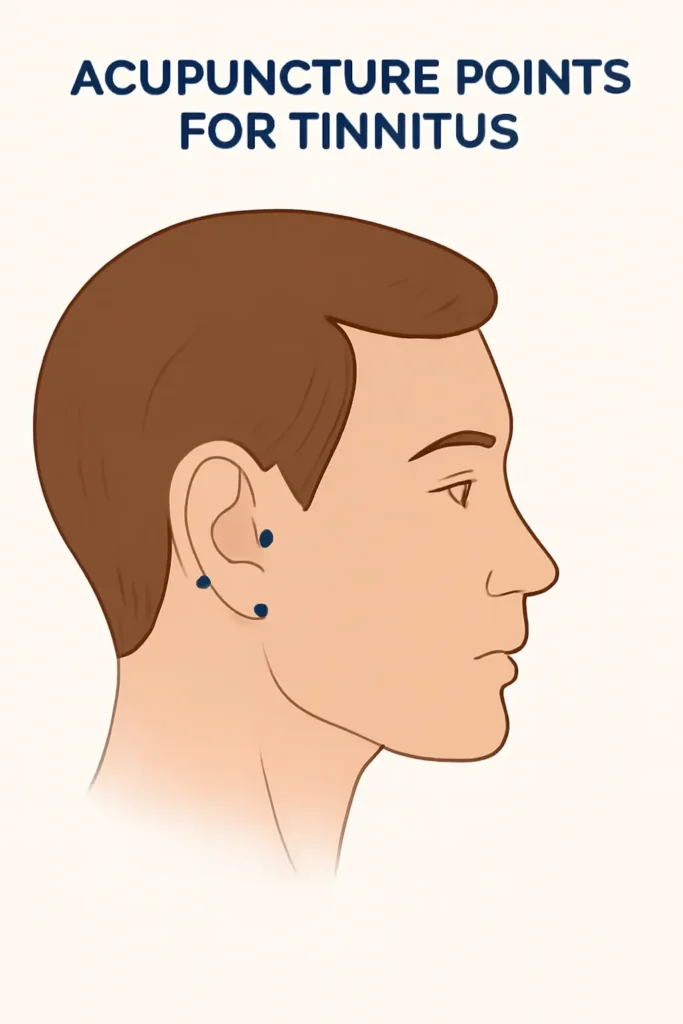
Ermen (TB21). Near the ear, this point is often used to ease ear ringing, pain, and pressure.
Fengchi (GB20). At the base of the skull, it helps boost blood flow to the head and relax tension that can contribute to tinnitus.
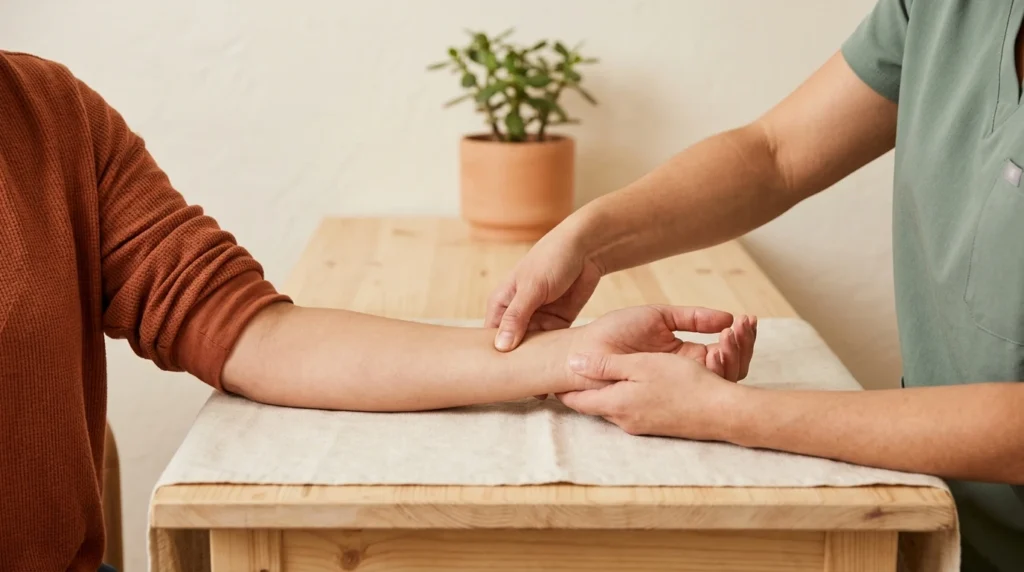
Hegu (LI4). Located on the hand, this point is useful for reducing overall pain and improving circulation, which may ease tinnitus symptoms.
Jinggong (SI19). Near the ear, this point focuses on hearing-related issues and helps calm auditory nerve irritation.
Shanguan (GB3). Used to reduce ear ringing and jaw tension.
Taixi (KI3). Near the ankle, it supports kidney function in traditional Chinese medicine, which may influence hearing health.
Tinghui (GB2). Just in front of the ear, this point is commonly used for various ear problems, including ringing.
Yifeng (SJ17). Behind the earlobe, it helps with ear circulation and is often chosen for persistent tinnitus.
Yindu (KI19). A point on the abdomen used to help with balance and health, which can indirectly benefit ear function.
Yanglao (SI6). On the forearm, it is used to improve blood circulation and help with nerve-related discomfort.
Zhongzhu (SJ3). On the back of the hand, this point is used to ease headaches and ear-related issues.
Waiguan (SJ5). Located on the forearm, this point helps with relaxation.
Acupressure Points for Tinnitus You Can Try at Home
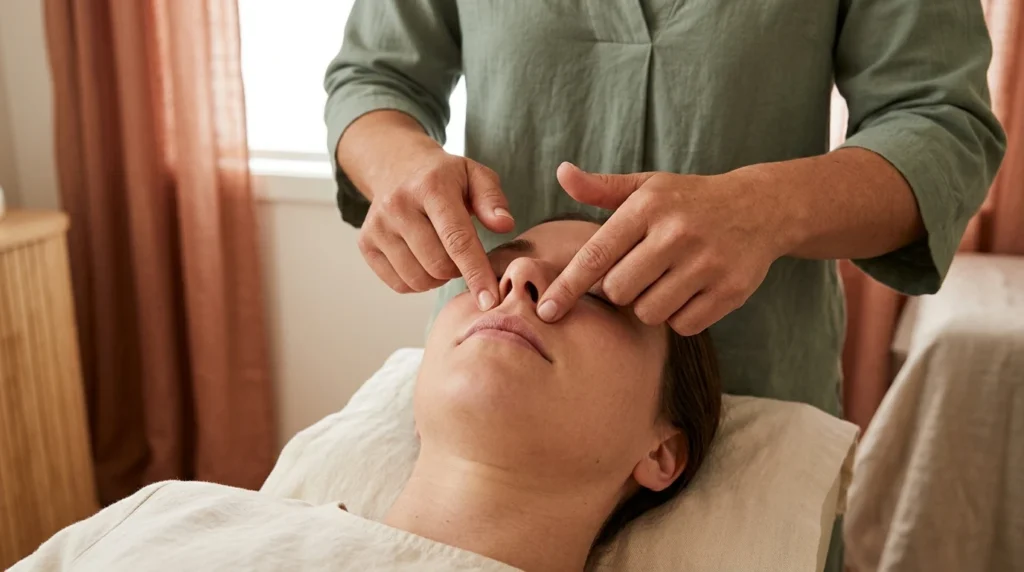
If you’re not ready for a clinic visit, acupressure offers a needle-free alternative you can practice yourself. Unlike acupuncture, acupressure for tinnitus relies on applying firm, steady finger pressure to the same energy points acupuncturists target with needles — making it a simple, low-risk way to ease ear ringing between sessions or before you decide to try professional treatment.
To use these acupressure points for tinnitus, apply firm but comfortable pressure with your fingertip in a small circular motion for 1-2 minutes per point, 2-3 times a day. You should feel gentle pressure, not pain — stop if anything feels sharp or uncomfortable.
TB21 (Ermen). Just in front of the ear, opening your mouth slightly to locate the small hollow. One of the most commonly used pressure points for tinnitus and ear fullness.
GB2 (Tinghui). Slightly below TB21, in front of the earlobe. A go-to acupressure point for tinnitus and general ear discomfort.
SI19 (Jinggong). Also near the ear opening — massaging this area can help with hearing-related tension.
GB20 (Fengchi). At the base of the skull, in the hollow on either side of the neck. Pressing here supports blood flow to the head and can ease tension-related ringing.
SJ17 (Yifeng). Just behind the earlobe. A popular hand acupressure point for tinnitus that’s easy to reach and press yourself.
LI4 (Hegu). On the back of your hand, between the thumb and index finger. One of the simplest acupressure points for tinnitus relief since it doesn’t require touching your ears or face at all.
Note: Acupressure is not intended to replace professional care, and pregnant individuals should avoid pressure on LI4 (Hegu). If your tinnitus is sudden, severe, or accompanied by hearing loss or dizziness, see a doctor before trying any self-treatment.
Self-administered acupressure can take the edge off, but it doesn’t offer the same targeted, sustained stimulation as a professional acupuncture session. If at-home pressure points aren’t giving you lasting relief, book a tinnitus consultation at Copper Wellness to get a treatment plan built around your specific symptoms.
What Does the Research Say About Treating Tinnitus with Acupuncture?
While subjective symptoms like ear ringing are notoriously difficult to measure, a growing body of scientific research supports acupuncture as a highly viable treatment option for chronic tinnitus:
The 2018 Randomized Clinical Trial (RCT): A landmark study published in the Caspian Journal of Internal Medicine evaluated patients with chronic non-pulsatile tinnitus. The group receiving active acupuncture showed a statistically significant reduction in both the loudness of the ringing and the overall Tinnitus Severity Index compared to the control group, accompanied by substantial improvements in sleep quality.
The 2016 Systematic Review: A comprehensive review of clinical trials concluded that acupuncture offers subjective therapeutic benefits, helping patients habituate to the noise and greatly reducing the emotional distress associated with persistent ringing.
High Clinical Success Rates: Modern clinical studies report success and improvement rates ranging from 40% to 80%, depending on how early the treatment is started and the consistency of sessions.
Recommended Treatment Plan: Sessions and Consistency
Acupuncture is a cumulative therapy. While some patients experience temporary relief after their very first visit, lasting improvements require a consistent series of treatments to allow the nervous system and blood circulation to fully stabilize.
At Copper Wellness, patients who experience the best results with acupuncture for tinnitus typically follow this structured treatment plan:
Initial Phase (Weeks 1 to 3 or 6): 2 sessions per week. This consistent, frequent stimulation helps interrupt the continuous neurological loop of tinnitus and reduces acute stress.
Maintenance Phase (Weeks 7 to 12): 1 session per week. As the intensity and frequency of the ear ringing begin to decrease, sessions are spaced out to maintain and reinforce long-term results.
This systematic, cumulative approach ensures the best long-term outcomes, allowing your auditory pathways to heal and quiet down over time.
An Integrative Approach: Combining Acupuncture with Other Therapies
For many sufferers, tinnitus requires a multi-dimensional strategy. Acupuncture is incredibly effective on its own, but its success rate rises significantly when combined with complementary
lifestyle adjustments and targeted therapies:
Targeting Jaw Tension and TMJ: The jaw joint sits extremely close to the ear canal. If your ear ringing is aggravated by teeth grinding or jaw clenching, combining
acupuncture with a specialized TMJ massage in Chicago can provide rapid relief by releasing tight masticatory muscles.
Easing Neck and Shoulder Stress: Poor posture and tension in the cervical spine can pinch local nerves and restrict blood flow to the inner ear. Integrating professional
bodywork, such as our localized massage therapy in Logan Square, helps clear these physical blocks.
Sound Therapy and Hearing Aids: If your tinnitus is accompanied by mild hearing loss, using a hearing aid can be highly beneficial. Hearing aids slowly amplify quiet
background sounds, making it much easier for your brain to ignore the phantom internal ringing.
Diet and Lifestyle Adjustments: Excess sodium, alcohol, and caffeine can alter blood pressure and increase blood flow turbulence near the ears, triggering louder spikes of
ringing. A clean diet, staying hydrated, and avoiding smoking all support optimal microcirculation.
By blending acupuncture with a customized wellness routine, you give your body the comprehensive support it needs to naturally quiet auditory nerve irritation.
Is Acupuncture for Tinnitus Safe?
Acupuncture treatment for tinnitus is a safe and low-risk treatment when performed by a trained and licensed professional at a trusted integrative health center. The needles are very thin, sterile, and designed for single use, which minimizes the chance of infection or complications. Most people usually experience only mild sensations, like slight tingling or warmth during the session, and serious side effects of acupuncture for tinnitus are very rare.
If you’re considering acupuncture for tinnitus or related issues, visiting an acupuncture wellness center can help you get proper care. These clinics follow strict safety standards and personalize treatments based on your unique health needs.
As with any therapy, it’s always best to discuss your medical history and current symptoms with a qualified provider before starting any treatments to confirm that acupuncture is right for you.
Many patients report meaningful relief from tinnitus with acupuncture, particularly when it comes to reducing the intensity of ringing and improving overall well-being. Results vary by individual, and a personalized treatment plan gives the best chance of noticeable improvement.
The number of acupuncture sessions for tinnitus varies depending on the individual and the severity of the condition. Typically, people may need between 6 to 10 sessions over a few weeks to see noticeable improvements. Some may require ongoing treatments to manage symptoms effectively. It’s best to consult with an acupuncturist for a personalized treatment plan.
Clinical studies on acupuncture for tinnitus report improvement rates ranging from roughly 40% to 80%, depending on the severity of symptoms, treatment consistency, and individual response. Most patients who complete a full treatment course notice a reduction in ringing intensity within the first few weeks.
Acupuncture can be effective for some individuals in reducing the severity of tinnitus symptoms. While studies show mixed results, many people report improvements in symptoms, such as reduced ringing or discomfort. However, the effectiveness varies from person to person, and more research is needed to confirm its overall benefit.
Dr. Stephanie Madden is the founder of Copper Wellness, an integrative wellness clinic dedicated to holistic healing. A licensed acupuncturist, board-certified herbalist, and integrative medicine specialist, she specializes in complex cases, emotional trauma, and fertility. With a doctorate from AOMA and a passion for innovation, Dr. Madden blends expertise and compassion to empower patients on their wellness journey, creating a space where healing and transformation thrive.