

Compare BHRT vs HRT to find the best relief for hot flashes. Discover the key differences in molecular structure, customization, and safety.


For women seeking rapid, sustained relief from vasomotor symptoms like severe hot flashes and night sweats, bioidentical hormone replacement therapy (BHRT) via subcutaneous pellets offers a superior clinical profile compared to traditional hormone replacement therapy (HRT). For patients who prefer low-dose, non-invasive therapies or have specific contraindications, traditional HRT or topical BHRT patches remain viable options. The core distinction lies in molecular design: traditional HRT relies on synthetic or animal-derived formulations with fixed doses, whereas BHRT utilizes plant-derived hormones structurally identical to endogenous human hormones. This biochemical alignment reduces receptor-binding friction and allows for precise customization based on serum chemistry. Choosing the right path requires evaluating individual cardiovascular risks, metabolic profiles, and lifestyle preferences under professional supervision. Comprehensive serum testing and an analysis of clinical symptoms guide the selection of the appropriate therapy type and delivery method.
Medical Disclaimer: The information provided in this article is for educational purposes only and does not constitute medical advice. Hormone replacement therapies carry individual risks and benefits based on your personal health history, including cardiovascular, oncological, and metabolic factors. Always consult with a licensed healthcare professional, such as a board-certified Family Nurse Practitioner, before initiating any hormone therapy or making changes to your healthcare regimen.
BHRT vs. HRT: What Is the Difference?
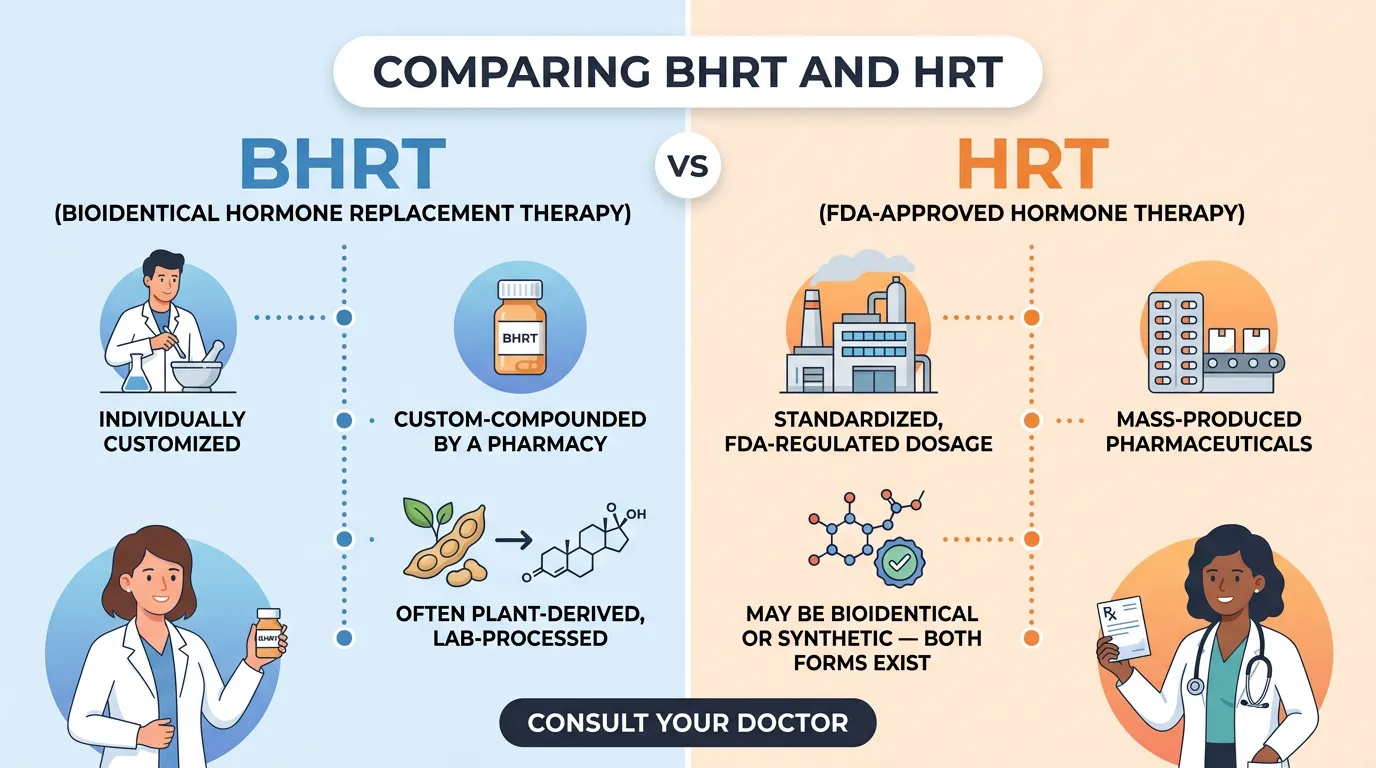
The core difference between traditional HRT and BHRT lies in their molecular structure and customization. Traditional HRT relies on synthetic or animal-derived hormones in standardized, pre-packaged doses. Conversely, bioidentical hormone replacement therapy (BHRT) uses plant-derived hormones that are structurally identical to the hormones produced by your own body, allowing for highly personalized dosing. These bioidentical hormones match human estradiol, progesterone, and testosterone molecule-for-molecule, offering a precise biological fit.
Understanding these options requires looking beyond marketing buzzwords to examine the pharmacological realities. Standardized pharmaceutical manufacturers produce both synthetic and bioidentical hormones under strict regulatory oversight. However, custom-compounded BHRT offers clinical flexibility that standardized preparations cannot match. Practitioners adjust compounded therapies to match a patient’s exact serum deficiencies, modifying the dosage as their clinical needs evolve over time.
To assist in your decision-making, consider these four critical takeaways regarding hormone therapy options:
- Molecular Match: Bioidentical hormones perfectly match your body’s chemical signature, leading to cleaner receptor binding and more predictable metabolic pathways.
- Standard vs. Custom: Traditional HRT offers fixed, FDA-approved pharmaceutical doses, whereas BHRT offers both standardized FDA-approved options and custom-compounded options.
- Delivery Diversity: Patients can choose from multiple delivery methods, including oral tablets, transdermal creams, patches, and subcutaneous sustained-release hormone pellets.
- The Integrative Advantage: Combining hormone therapy with targeted acupuncture and lifestyle modifications yields more sustainable outcomes than relying on hormone therapies alone.
Regulatory bodies evaluate these therapies through different lenses. The U.S. Food and Drug Administration regulates both mass-produced synthetic hormones and standardized bioidentical hormones, ensuring strict quality controls. For custom-compounded preparations, state boards of pharmacy oversee the specialized pharmacies that blend these personalized prescriptions. Leading clinical organizations, such as The Menopause Society, emphasize that hormone therapy must be highly individualized, taking into account each patient’s unique health history, risk factors, and symptomatic presentation rather than applying a one-size-fits-all approach.
Bioidentical vs. Synthetic Hormones: Molecular Structures Explained
To understand the difference between these therapies, one must look at biochemistry. Synthetic hormones, such as conjugated equine estrogens (CEE), contain molecules that differ from endogenous human hormones. CEE, famously marketed under the brand name Premarin, is derived from the urine of pregnant mares and contains multiple equine estrogens like equilin, which the human female body does not naturally produce. While these compounds successfully bind to human estrogen receptors and alleviate symptoms, their distinct molecular shapes mean the liver metabolizes them through different pathways, which can alter their overall safety and tolerability profile.
Bioidentical hormones are synthesized in a laboratory using precursor sterols extracted from wild yams or soy. Chemists isolate a plant compound called diosgenin and structurally convert it into hormones that perfectly replicate the chemical structure of human 17-beta-estradiol, progesterone, or testosterone. Because these molecules match endogenous human hormones exactly, the body processes, utilizes, and eliminates them using the same biological pathways as naturally produced hormones.
A common clinical misconception is that “natural” products are inherently safer than synthetic ones. In endocrinology, the biological activity of a hormone depends entirely on its molecular structure and its interaction with cellular receptors, not its natural origin. Both traditional HRT and BHRT carry specific risks and benefits. These outcomes depend heavily on the patient’s cardiovascular, oncological, and metabolic health history. For example, oral synthetic estrogens undergo first-pass hepatic metabolism, which can increase the risk of venous thromboembolism. Transdermal bioidentical estrogens bypass the liver, minimizing this specific risk. However, patients with a history of hormone-sensitive cancers must evaluate all forms of systemic hormone therapy with caution.
Clinical experts advise against visiting clinics that advertise BHRT as completely risk-free or “all-natural” without potential side effects. A safe and effective hormone protocol requires the expertise of a licensed Family Nurse Practitioner (FNP) or endocrinology specialist. Qualified practitioners conduct thorough blood chemistry panels to assess liver function, lipid profiles, and hormone levels before recommending or prescribing any hormone replacement therapy.
Hormone Pellet Therapy vs. Transdermal Creams: What the Science Says
Choosing the right delivery system is just as important as selecting the hormone compound itself. Transdermal creams and subcutaneous hormone pellets are two of the most common delivery methods for bioidentical hormones, and each performs differently in clinical settings. Transdermal creams require daily application to the skin, where the hormones are absorbed into the capillary bed. While non-invasive, this method relies on daily patient compliance and can cause inconsistent absorption based on skin thickness, temperature, and perspiration. Creams also carry a risk of accidental transfer to family members or pets through direct skin contact.
Subcutaneous hormone pellet therapy offers a more consistent delivery method. During this quick in-office procedure, a practitioner inserts rice-grain-sized pellets into the subcutaneous fat of the hip or buttock area under local anesthesia. These pellets, composed of pure, compressed bioidentical hormones, dissolve slowly over a three-to-six-month period. This sustained release mimics the natural, steady secretion of the ovaries, preventing the daily hormonal fluctuations associated with topical creams or oral therapies.
Recent clinical data highlights the performance differences between these two options. A retrospective cohort study by researchers Greg Bailey, MD, and Rodger W. Rothenberger, MD, published in North American Proceedings in Gynecology & Obstetrics, compared subcutaneous hormone pellet therapy to transdermal lotions in women being treated for menopausal symptoms. The study found:
- Greater Vasomotor Relief: Patients using subcutaneous pellet therapy experienced a significantly greater reduction in vasomotor symptoms, such as hot flashes, showing a -2.08 reduction on a 10-point clinical scale, compared to a -1.03 reduction in the transdermal lotion cohort (p < 0.001).
- Higher Continuation Among Long-Term Responders: Among patients who completed long-term follow-up, 76% of the pellet group continued their therapy, compared to 59% in the transdermal lotion group (p = 0.019).
- Comparable Safety Profile: No statistically significant difference in adverse side effects was found between the two groups.
It’s worth noting that this was a retrospective, non-randomized study, and major medical societies, including ACOG, currently recommend FDA-approved transdermal formulations over compounded pellet therapy due to limited long-term safety data — a point the study’s own authors acknowledge.
Financially, these options represent different investment structures. Standard transdermal bioidentical creams generally cost between $40 and $120 per month. Subcutaneous pellet therapy typically costs between $350 and $650 per insertion, which equates to an annualized cost of $700 to $1,300 depending on the patient’s metabolization rate. Although pellet therapy requires a higher upfront cost, many patients find that its superior symptom control and convenience make it a highly cost-effective option.
The Top Clinically Proven BHRT Benefits and Holistic Support
Restoring hormone levels to their optimal physiological ranges can resolve many of the symptoms associated with perimenopause and menopause. Bioidentical hormone replacement therapy targets several primary symptom categories:
- Vasomotor Relief: BHRT stabilizes the thermoregulatory center in the hypothalamus, helping to eliminate or significantly reduce hot flashes, night sweats, and sudden chills.
- Cognitive & Energy Support: Restoring balanced estrogen and testosterone levels helps resolve perimenopausal brain fog, improves focus, relieves chronic fatigue, and supports deeper, more restorative sleep cycles.
- Sexual & Pelvic Health: Local and systemic bioidentical estrogens help restore tissue elasticity and moisture to the vaginal mucosa, relieving vaginal dryness and painful intercourse (dyspareunia).
- Body Composition & Mood: Optimizing hormones helps stabilize mood fluctuations, reduces anxiety, supports lean muscle mass retention, and helps manage visceral fat accumulation.
Hormonal changes during menopause can also affect the muscular and connective tissues of the pelvis, sometimes leading to pelvic floor dysfunction, urinary urgency, or pelvic pain. To address these complex issues, patients often benefit from combining medical BHRT with specialized pelvic floor physical therapy. This combined approach addresses both the hormonal health of the pelvic tissues and the structural function of the surrounding muscles.
Systemic hormone balance is most successful when supported by holistic clinical therapies. For example, incorporating targeted acupuncture alongside medical BHRT can help optimize endocrine function. Patients seeking to address systemic endocrine issues often benefit from acupuncture for hormone balance to normalize the hypothalamic-pituitary-adrenal (HPA) axis, reduce cortisol levels, and support the body’s natural hormone production. This integrative approach helps patients achieve smoother transitions and more sustainable symptom relief.
BHRT vs HRT: How the Two Treatment Paths Compare

When evaluating hormone therapy, comparing traditional and bioidentical paths side-by-side helps clarify your options. The following comparison table outlines the key differences in sourcing, structure, delivery, and customization:
| Feature | Traditional HRT | Bioidentical Hormone Therapy (BHRT) |
|---|---|---|
| Hormone Source | Synthetic or animal-derived compounds (e.g., conjugated equine estrogens from horse urine) | Plant-derived compounds synthesized from wild yams or soy |
| Chemical Structure | Similar, but not identical, to endogenous human hormones | 100% chemically identical to human hormone molecules |
| Dosing Options | Standardized, pre-set commercial pharmaceutical strengths | Standardized commercial formulations or custom-compounded doses |
| Common Delivery Methods | Oral pills, synthetic vaginal rings, transdermal patches | Transdermal creams, gels, patches, and subcutaneous pellets |
| Personalization Level | Low (standardized dosing options) | High (tailored to individual serum laboratory panels) |
| Efficacy for Hot Flashes | Clinically effective for vasomotor relief | Clinically effective; pellet delivery shows superior long-term results |
Comprehensive Integrative Hormone Care in Chicago: The Copper Wellness Approach

If you are looking for bioidentical hormone replacement therapy in the Wicker Park, Bucktown, or greater Chicago areas, finding a qualified and experienced practitioner is key to a safe, successful outcome. Copper Wellness offers a supportive, medically grounded environment where patients can access personalized BHRT protocols designed to address their unique hormonal and metabolic needs.
Our hormone therapy programs are led by Elise Sterritt, FNP-BC, a board-certified Family Nurse Practitioner with more than 15 years of clinical experience. Elise specializes in women’s health, menopause support, and advanced endocrine therapies, combining clinical expertise with a thorough, evidence-based approach to patient care.
What sets Copper Wellness apart is our coordinated, multi-disciplinary approach to women’s health. We recognize that hormonal fluctuations can affect multiple systems in the body, often leading to increased stress, muscle tension, and pelvic floor changes. To address these symptoms comprehensively, we coordinate medical BHRT with other clinical therapies under one roof. Depending on your needs, your care plan may integrate BHRT medical oversight with clinical acupuncture, specialized medical massage, or targeted pelvic health rehabilitation.
We believe that high-quality, integrative care should be as accessible as possible. Copper Wellness accepts insurance plans from Blue Cross Blue Shield (BCBS) and Aetna, and our dedicated billing team provides a detailed coverage breakdown before you begin treatment. Patients can also use Health Savings Accounts (HSA) and Flexible Spending Accounts (FSA) for their therapies. To start your care, we recommend scheduling a free consultation to discuss your symptoms and design your personalized clinical treatment plan.
Schedule your complimentary consultation at Copper Wellness — call (872) 267-1717 or book online at copperwellness.janeapp.com.
FAQ — People Also Ask
What is bioidentical hormone replacement therapy?
Bioidentical hormone replacement therapy (BHRT) is a specialized medical treatment designed to restore optimal hormone levels using plant-derived compounds that are chemically identical to the estrogen, progesterone, and testosterone produced by the human body. Because these molecules match endogenous hormones exactly, the body metabolizes them through its natural pathways, which often results in improved tolerability and highly effective symptom relief.
How do I know if I need BHRT or traditional HRT?
The choice between these therapies depends on your symptoms, health history, and preferences for custom dosing. To determine the best approach, your provider will perform a comprehensive blood panel to measure follicle-stimulating hormone (FSH), estradiol, progesterone, and free and total testosterone levels. Consulting with a specialist like Elise Sterritt, FNP-BC, will help you decide whether a standardized option or a custom-compounded therapy is the safest and most effective choice for you.
What are the primary side effects of hormone pellet therapy?
Hormone pellet therapy is generally well-tolerated, but some patients may experience mild, temporary side effects during the first few weeks as their bodies adjust to consistent hormone levels. These can include mild bruising, tenderness, or swelling at the insertion site, temporary fluid retention, mild breast tenderness, or minor acne. Your practitioner will monitor your response closely and adjust future dosages to minimize these symptoms.
Is BHRT covered by health insurance?
Many major health insurance plans, including BCBS and Aetna, cover standardized, FDA-approved bioidentical hormone formulations like certain estradiol patches or progesterone capsules. Custom-compounded formulations, such as subcutaneous pellets or personalized transdermal creams, are typically not covered by insurance, though patients can often use their HSA or FSA funds to pay for them. Copper Wellness provides a clear, upfront breakdown of all costs before you begin treatment.
How long does it take to see results after starting BHRT?
Most patients report initial improvements in their sleep, energy levels, and mood within one to two weeks of starting bioidentical hormone therapy, especially when using subcutaneous pellets. More significant symptoms, like severe hot flashes and night sweats, typically resolve fully within four to six weeks. Your provider will schedule a follow-up assessment and lab draw at the six-to-eight-week mark to evaluate your progress and ensure your hormone levels are in the optimal range.