
Find non-invasive relief from nerve pain. Our sciatica chiropractor Chicago clinic resolves structural misalignments to restore your mobility.

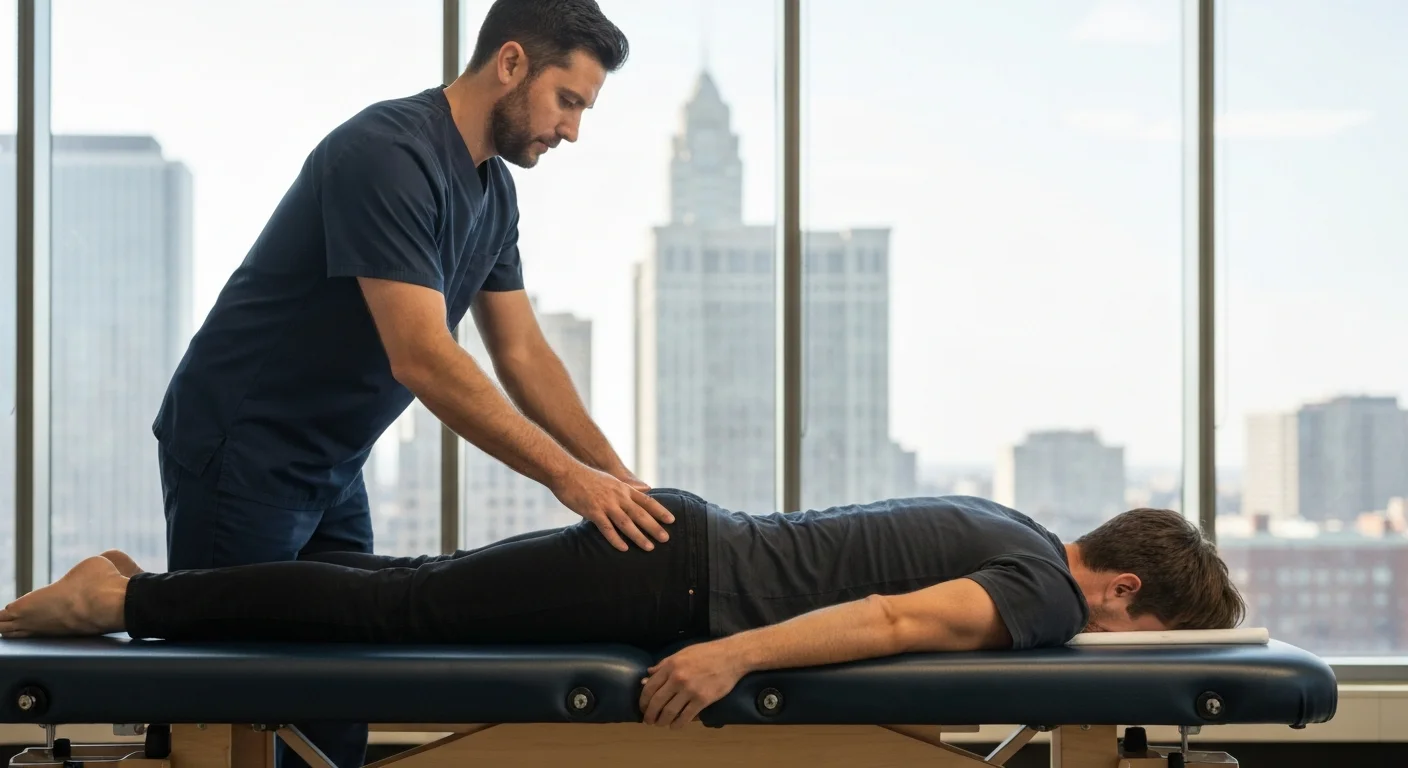
For acute sciatic nerve compression presenting with severe, localized structural misalignment or lower lumbar disc herniation, targeted chiropractic manipulation offers the most direct pathway to mechanical decompression. If the radiating pain primarily stems from muscular entrapment, pelvic floor dysfunction, or chronic myofascial trigger points, a coordinated treatment plan integrating physical therapy, acupuncture, and clinical massage is superior. Standard medical interventions like corticosteroid injections or microdiscectomy should remain secondary options reserved for progressive neurological deficits or conservative treatment failure. Resolving sciatica requires identifying the precise anatomical driver rather than merely suppressing radiating symptoms. Correcting the underlying structural joint dysfunction while simultaneously addressing soft tissue tension ensures rapid pain reduction and prevents future recurrences. For patients seeking a non-invasive, long-term solution in Chicago, an integrative care model combining chiropractic adjustments with multi-disciplinary clinical support provides the highest rate of clinical success.
Can a Chiropractor Help with Sciatica?
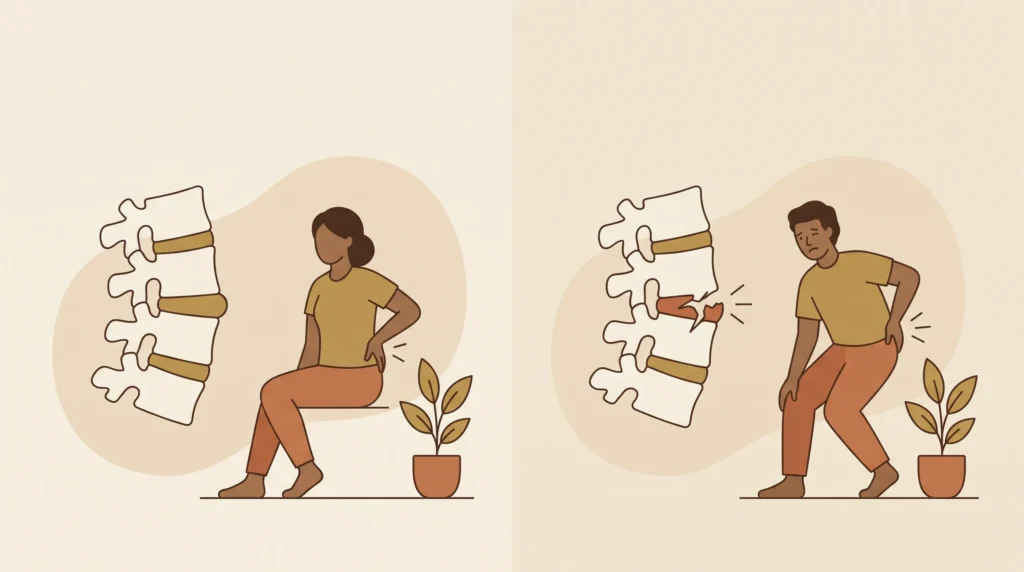
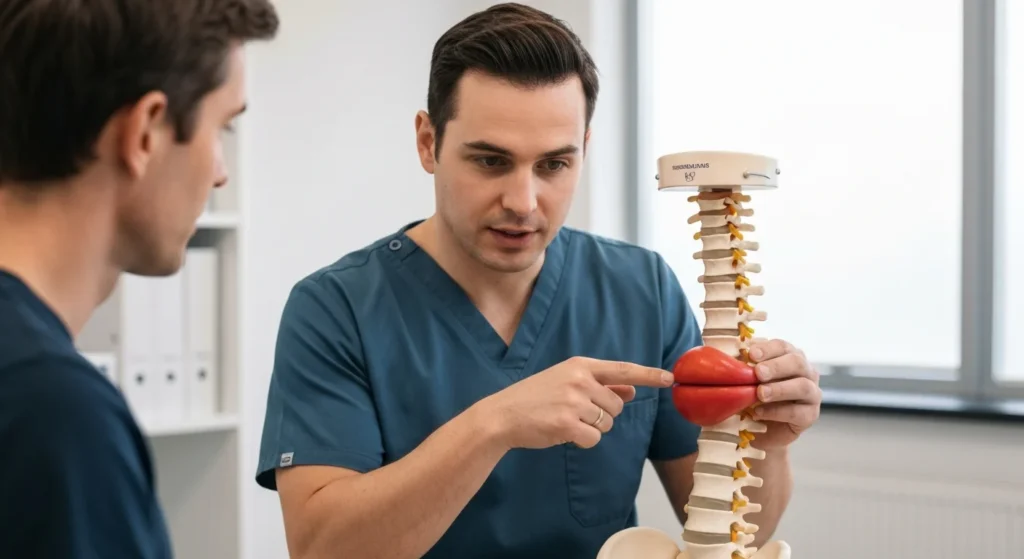
A licensed chiropractor can effectively resolve sciatica by correcting lumbar spinal misalignments, reducing mechanical pressure from bulging or herniated intervertebral discs, and releasing deep muscular tension surrounding the pathway of the sciatic nerve. When spinal vertebrae shift out of their normal alignment, they can pinch the nerve roots that exit the spinal cord. This mechanical irritation triggers the classic shooting pain, burning, and numbness associated with sciatic neuropathy.
Key Takeaways:
- Sciatica is a symptom of nerve compression, not an independent disease. Successful treatment requires identifying the exact source of pressure, such as lumbar disc herniation, spinal stenosis, or piriformis syndrome.
- Chiropractic adjustments restore proper alignment to the lumbar spine. This immediately reduces mechanical stress on the nerve root.
- An integrative treatment approach combining chiropractic adjustments with soft tissue therapy and acupuncture yields faster, more sustainable pain relief.
- Most patients experience significant pain reduction within 4 to 6 weeks of starting conservative, targeted chiropractic care.
Most cases of sciatica improve without surgery. According to Harvard Health Publishing, roughly 90% of people with sciatica recover without an operation, often within a few weeks. Mayo Clinic Health System similarly notes that about 80% of acute sciatica cases respond successfully to conservative treatment, with surgery typically considered only after nonsurgical options have been exhausted. This is why conservative approaches, including chiropractic care, are often recommended as a first step before surgery is considered.
Disclaimer: The information in this article is for educational purposes only. It is not a substitute for professional medical advice, diagnosis, or treatment. Always consult with a qualified healthcare provider regarding your specific medical condition.
Choosing the Best Chiropractor for Sciatica Pain in Chicago
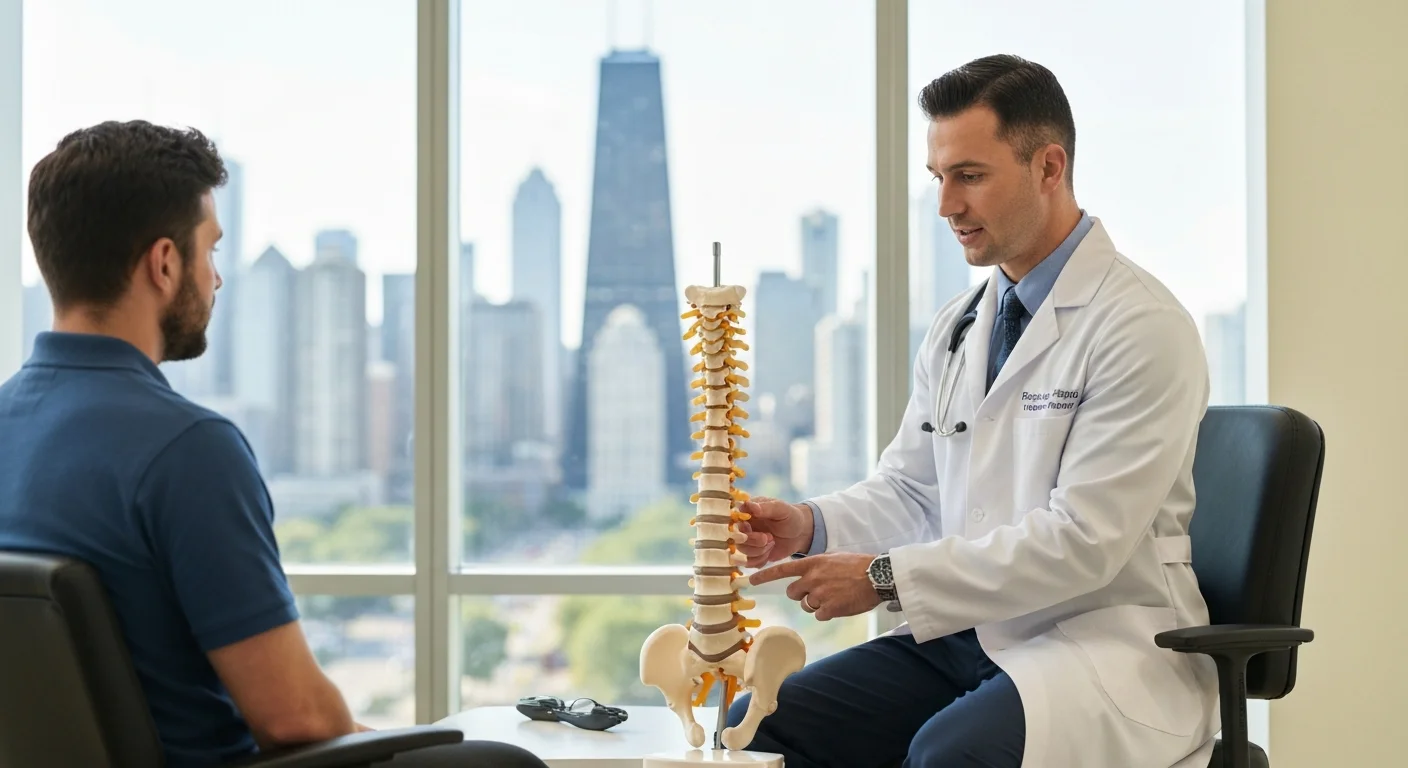
Finding the right specialist in Chicago requires looking beyond basic spinal manipulation. Patients should seek a clinic that conducts comprehensive physical and neurological testing, offers diagnostic transparency, and utilizes an integrative care model. A cookie-cutter approach to spinal adjustments often fails because it ignores the unique biomechanics of each patient. If you are pregnant or postpartum, look for a provider certified in the Webster Technique to safely address pelvic alignment issues causing nerve pressure.
Statistics show that over 40% of the population will experience sciatic nerve pain at least once in their lives. Approximately 90% of these cases are caused by a herniated or bulging lumbar disc compressing one of the nerve roots. The sciatic nerve is the longest and thickest nerve in the human body. At its origin in the lower spine, it measures roughly the width of a human thumb, which is about 2 centimeters in diameter. Because of its size, even minor structural shifts can cause significant discomfort.
At our Chicago clinic located at 1654 W. North Ave. in the Bucktown and Wicker Park neighborhood, we provide precise testing. This includes orthopedic tests like the Straight Leg Raise (Lasegue’s sign) and neurologic checks for reflexes, sensation, and strength. An initial diagnostic evaluation for sciatica in Chicago typically ranges from $150 to $300. At Copper Wellness, we accept major insurance plans including Blue Cross Blue Shield (BCBS) and Aetna. We also allow patients to use Health Savings Accounts (HSA) and Flexible Spending Accounts (FSA) to keep out-of-pocket costs predictable.
Dr. Adam Mohr and Dr. Mimosa Nguyen are Bucktown/Wicker Park chiropractic and physical medicine specialists. Dr. Mohr focuses on sports injury care, posture correction, and prenatal/postnatal support through the Webster Technique, while Dr. Nguyen specializes in sports medicine, pediatric care, and the Graston Technique. Together, they serve patients across Bucktown, Wicker Park, Logan Square, and West Town. If you are seeking a specialized sciatica chiropractor in Chicago, our team ensures an accurate diagnosis and a customized recovery protocol.
Targeted Sciatica Treatment in Chicago: The Copper Wellness Integrative Advantage
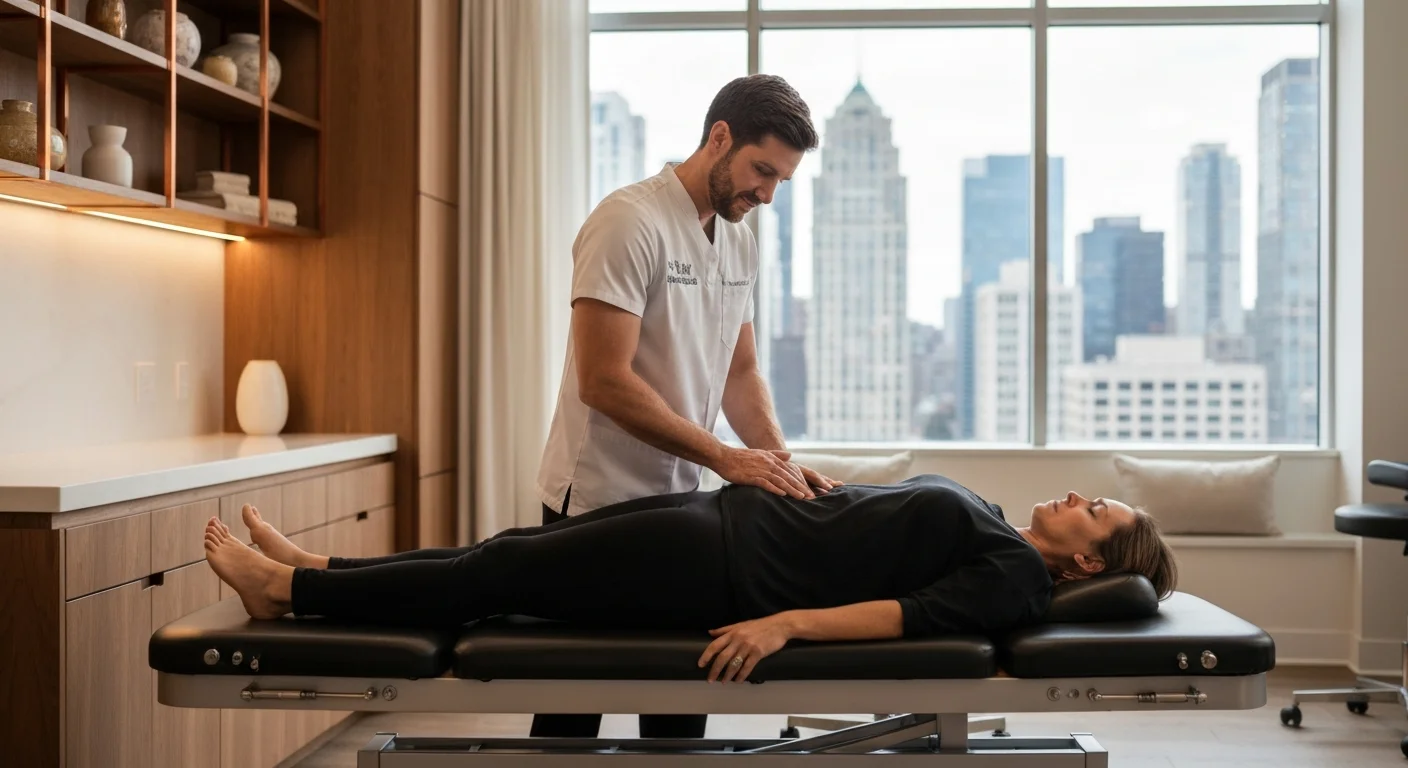
True healing occurs when you address both the skeletal structure and the surrounding soft tissue. At Copper Wellness, our chiropractors do not work in isolation. We treat sciatica using a coordinated care plan:
- Chiropractic Adjustments: Dr. Adam Mohr and Dr. Mimosa Nguyen realign the lumbar vertebrae and sacroiliac (SI) joints to reduce structural impingement. They provide comprehensive chiropractic care designed to restore natural movement and joint play.
- Acupuncture & Electroacupuncture: Dr. Stephanie Madden and Dr. Anais Jackson-Gonzalez use targeted micro-currents to decrease neural inflammation and block pain signals along the sciatic pathway.
- Pelvic Floor & Physical Therapy: Dr. Lisa Lagomarcino treats the deep pelvic stabilizer muscles, including the piriformis, which can mimic or exacerbate sciatic pain.
- Clinical Massage: Benicia Blue and Andy Holsteen utilize deep tissue massage and myofascial release to eliminate painful trigger points. They provide targeted, clinical sessions including therapeutic massage for sciatica relief.
Many sciatica sufferers try to aggressively stretch their hamstrings or perform deep forward folds like the pigeon pose when they feel pain. This is a common and painful mistake. If a herniated disc causes your sciatica, forward flexion pushes the disc further against the nerve root, worsening the condition. Always consult a professional to determine if your pain is flexor- or extensor-dominant before performing home exercises.
Chiropractic Care vs. Traditional Medical Care for Sciatica Pain Relief
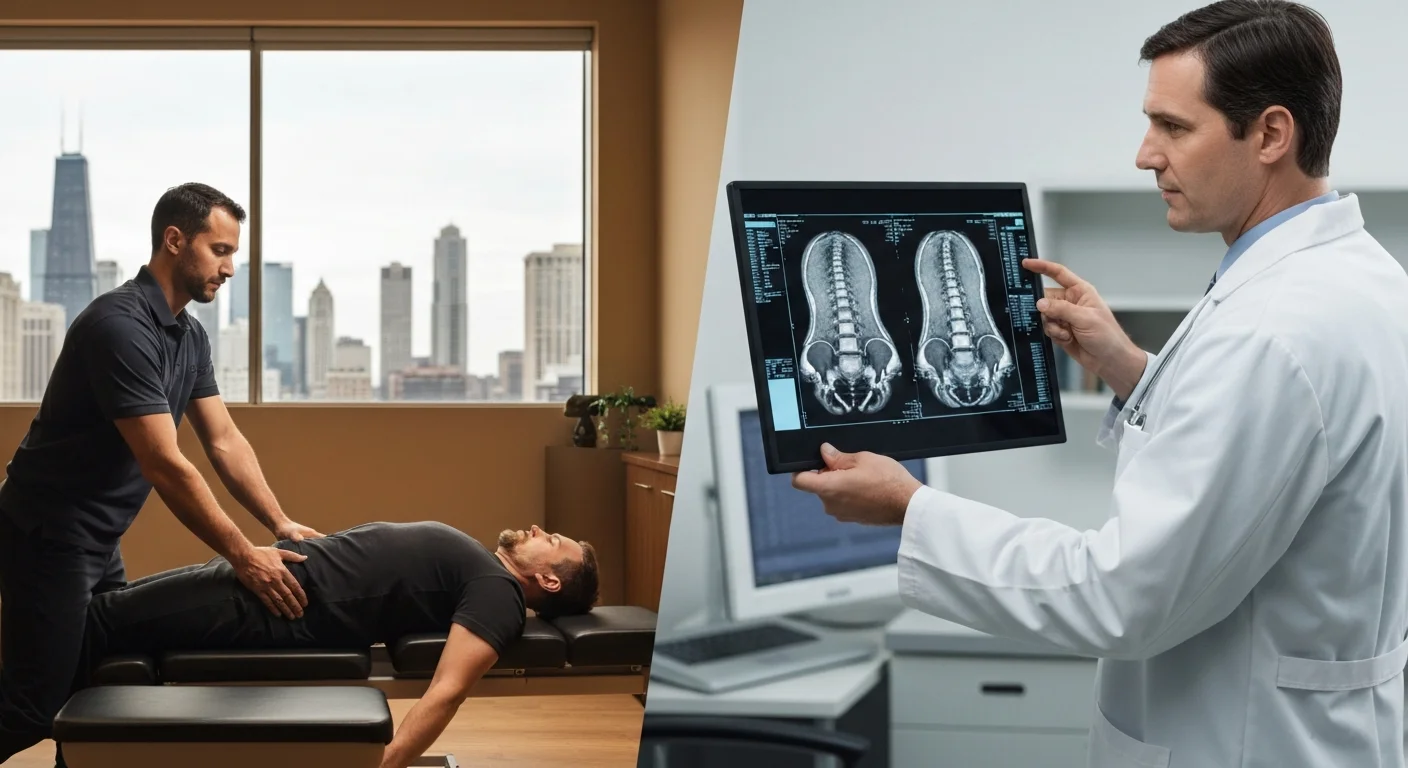
This table compares conservative, integrative chiropractic care with standard pharmaceutical and surgical interventions to help patients make an informed choice.
| Treatment Modality | Primary Focus of Therapy | Invasiveness Level | Typical Treatment/Recovery Window | Root-Cause Focused? |
|---|---|---|---|---|
| Integrative Chiropractic Care | Restoring joint mechanics, reducing disc pressure, and relaxing soft tissue | Non-invasive | 4 to 8 weeks | Yes — Addresses structural alignment and muscular imbalances. |
| Physical Therapy | Strengthening core stabilizers and correcting movement patterns | Non-invasive | 6 to 12 weeks | Yes — Builds long-term stability to prevent recurrences. |
| Epidural Steroid Injections | Temporarily bathing the nerve root in anti-inflammatory medication | Minimally invasive | Temporary relief (1 to 6 months) | No — Masks inflammatory pain without correcting the physical compression. |
| Microdiscectomy (Surgery) | Physically removing the portion of the herniated disc pressing on the nerve | Highly invasive | 6 weeks to 6 months recovery | Yes — Physically removes the obstruction, but carries surgical risks. |
Integrative care focuses on physical normalization and root cause resolution. Pharmacological approaches, like muscle relaxers or Gabapentin, only mask the nerve pathway signals without changing the pressure on the nerve. Corticosteroid injections can reduce inflammation temporarily, but they do not repair a herniated disc or correct poor pelvic alignment. Microdiscectomy is highly invasive, though necessary in rare cases. Patients should exhaust conservative care options first.
FAQ — People Also Ask
What is sciatic nerve pain?
Sciatic nerve pain is a form of radiculopathy caused by the compression, pinching, or irritation of one or more of the five nerve roots that join to form the sciatic nerve. This nerve runs from your lower back, through your hips and buttocks, and down each leg. Compression causes sharp, shooting pain, electric sensations, burning, numbness, or muscular weakness that typically travels down only one side of the body.
How to perform exercises for sciatica pain at home?
Safe home management should focus on decompression and gentle mobility rather than intense stretching:
- Decompression Hangs: Support your upper body weight on a high counter or table, letting your lower body hang relaxed to gently open up the lower spinal segments.
- McKenzie Prone Press-Ups: Lie on your stomach and slowly prop yourself up onto your elbows, keeping your pelvis flat on the floor. If this decreases or “centralizes” the pain, hold for 10 seconds and repeat.
- Nerve Flossing: Sit upright, look up toward the ceiling while extending your affected leg forward and flexing your foot. Then, lower your leg while tucking your chin to your chest. This gently glides the nerve through its pathway to reduce adhesions.
Stop immediately if any exercise causes pain to travel further down your leg, which is a sign of peripheralization.
Which treatment—acupuncture or chiropractic—is better for sciatica?
Neither is objectively better because they address different physiological mechanisms. They are most effective when used together in a coordinated manner. Chiropractic care corrects the mechanical joint restrictions and disc issues causing the physical compression. Concurrently, acupuncture treatments for sciatica reduce the neurogenic inflammation of the nerve, increase local blood circulation to accelerate tissue healing, and release natural endorphins to reduce systemic pain levels.
When should you see a sciatica specialist in Chicago?
You should consult a sciatica specialist if you have experienced radiating lower back and leg pain for more than two weeks, or if the pain is severe enough to limit your daily mobility, sitting, or sleeping. If you experience bilateral leg weakness, numbness in your groin or saddle area, or a sudden loss of bowel or bladder control, seek emergency medical care immediately, as these are signs of Cauda Equina Syndrome.
Is walking good for sciatica pain relief?
Gentle walking on flat, even surfaces is highly beneficial for sciatica. Walking promotes blood flow to the spinal discs and nerves, reduces muscle stiffness, and stimulates the release of pain-relieving endorphins. Avoid long strides or walking uphill, which can overstretch the irritated nerve, and limit your walks to short, frequent sessions of 10 to 15 minutes throughout the day.
Schedule your complimentary consultation at Copper Wellness — call (872) 267-1717 or book online at copperwellness.janeapp.com.