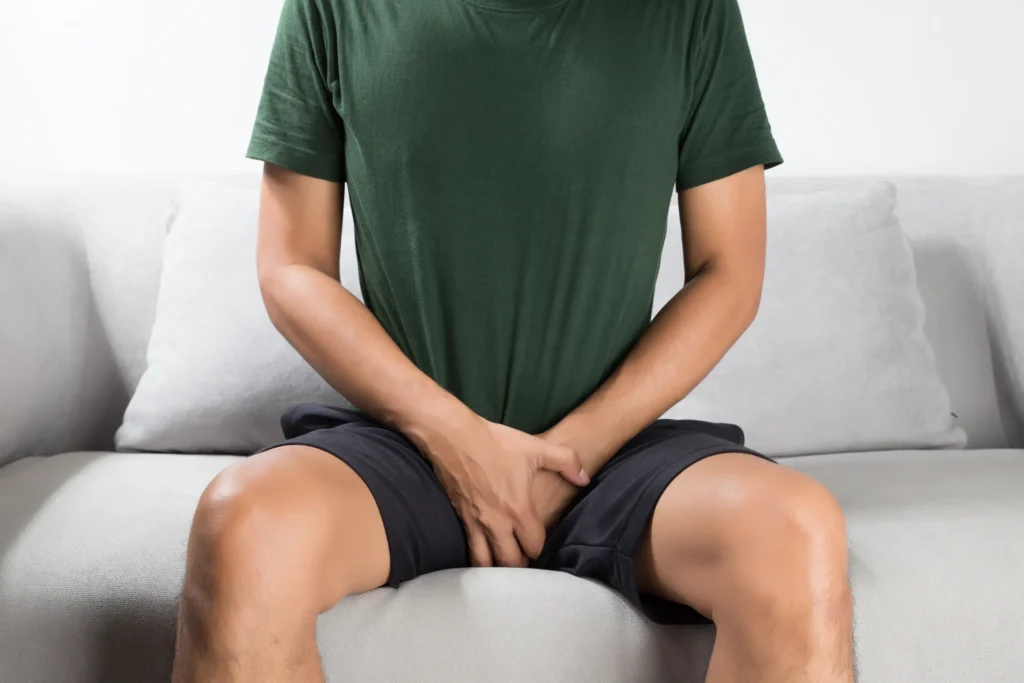

Recognize pelvic floor dysfunction symptoms and learn why customized treatment, not generic Kegels, is key to restoring comfortable pelvic function.


For patients experiencing pelvic pressure, bladder leakage, or pain during intercourse, choosing a customized clinical assessment over standardized home exercises is the most direct path to recovery. Specifically, individuals with tight, hypertonic pelvic muscles require target-specific relaxation techniques, whereas those with weak, hypotonic muscles require progressive stabilization. Treating pelvic floor dysfunction successfully depends on identifying this underlying muscle tone rather than practicing generic exercises like Kegels. Attempting to strengthen muscles that are already excessively tense often worsens clinical symptoms. This comprehensive analysis outlines the physical symptoms, structural causes, and evidence-based integrative therapies that restore comfortable, normal pelvic function.
Disclaimer: The information provided in this article is for educational purposes only. It should not replace professional medical advice, diagnosis, or treatment. Always consult with a qualified healthcare provider or a licensed specialist regarding any pelvic symptoms or health conditions.
What Is Pelvic Floor Dysfunction?
Pelvic floor dysfunction refers to the inability to properly coordinate, relax, and contract the network of muscles, ligaments, and connective tissues supporting your bladder, bowel, and reproductive systems. This intricate muscular sling spans the base of the pelvis, securing the pelvic organs in their correct anatomical positions. When these muscles lose coordination, the normal processes of urination, bowel movements, and sexual function become compromised.
Clinical research from the National Institutes of Health (NIH) Pelvic Floor Disorders Network indicates that pelvic floor disorders affect millions of individuals, yet many suffer in silence. This issue is not a simple matter of muscle weakness. Pelvic dysfunction exists on a broad spectrum, ranging from muscles that are too tight to those that are too loose. While postpartum parents and older adults frequently experience these symptoms, pelvic dysfunction is a treatable clinical condition that can affect people of any age, gender, or fitness level.
Fortunately, pelvic floor dysfunction is highly treatable. Working with a specialized pelvic floor therapy clinic allows patients to identify their specific muscular patterns. Rather than accepting pelvic pain or urinary leaks as normal consequences of aging or childbirth, targeted clinical interventions can help restore normal tissue mobility and muscle coordination. Comprehensive recovery programs often incorporate physical therapy, biofeedback, and integrative therapies to address the structural root causes of pelvic discomfort.
What Does Pelvic Floor Dysfunction Feel Like? Common Signs & Symptoms

Pelvic floor dysfunction typically feels like a dull, aching pressure in the pelvis, rectum, or genitals, often described as “sitting on a golf ball.” Other common signs include urinary urgency, leaking pee or poop, chronic constipation, difficulty fully emptying the bladder, and pain during or after sexual intercourse. Because the pelvic floor supports multiple organ systems, symptoms manifest in several distinct ways across urinary, bowel, and reproductive functions.
Urinary Tract Symptoms
Urinary issues arise when pelvic muscles fail to support the urethra or cannot relax to allow complete bladder emptying. Patients frequently report the following signs:
- An overwhelming, sudden urge to urinate, even when the bladder is mostly empty.
- A hesitant urinary stream that stops and starts repeatedly.
- Pain, burning, or deep aching during or immediately after urination.
- Urinary leakage, known as stress incontinence, when laughing, coughing, or exercising.
Bowel and Rectal Symptoms
The pelvic floor muscles form a critical sling around the rectum to maintain fecal continence. When these muscles do not function in harmony, patients often struggle with:
- Chronic constipation that does not improve with standard dietary adjustments.
- A persistent sensation of rectal fullness or incomplete bowel movements.
- Accidental leakage of gas, liquid stool, or solid fecal matter.
- Severe straining during bowel movements, which can cause painful hemorrhoids.
Pelvic Pain and Sexual Symptoms
Hypertonic pelvic muscles frequently compress local nerves and restrict blood flow, leading to localized pain and sexual dysfunction, including:
- Pain during or after sexual intercourse, a condition known as dyspareunia in women.
- Erectile dysfunction or painful ejaculation in male patients.
- A continuous feeling of heaviness or a downward “bulging” sensation in the vagina or rectum.
- Aching pain that radiates into the lower back, tailbone, groin, or hips.
High Tone Pelvic Floor Dysfunction vs. Low Tone (The Kegel Warning)
Differentiating between high tone pelvic floor dysfunction and low tone pelvic floor dysfunction is critical because performing strengthening exercises on already tight muscles can severely worsen your clinical symptoms. Many patients assume that any pelvic issue requires performing daily Kegel exercises. However, in cases of Herman & Wallace Pelvic Rehabilitation Institute trained therapists warn that self-prescribing Kegels without a clinical evaluation can lock the pelvic floor into a state of chronic spasm.
Low-tone, or hypotonic, pelvic floor dysfunction occurs when the muscles are overly stretched, weak, or elongated. This lack of support allows the pelvic organs to sag, resulting in urinary stress incontinence or pelvic organ prolapse. In these specific cases, progressive pelvic floor strengthening and core stabilization exercises are highly beneficial for restoring pelvic structural integrity.
In contrast, high-tone, or hypertonic pelvic floor dysfunction, involves muscles that are constantly contracted and unable to relax. When a patient with a hypertonic pelvic floor performs Kegel exercises, they are essentially flexing a muscle that is already cramping. This action increases pelvic tension, leading to severe pain, painful intercourse, and urinary hesitation. Clinical data published in the National Library of Medicine demonstrates that up to 50% of patients experiencing chronic constipation actually suffer from pelvic floor dyssynergia, a high-tone state where the pelvic muscles contract instead of relaxing during a bowel movement.
Typical pricing for professional evaluation ranges from $150 to $300 for an initial clinical pelvic floor assessment, with follow-up therapy sessions ranging from $120 to $220. Investing in an expert assessment ensures you receive the correct treatment plan for your specific muscle tone, preventing costly and painful complications from improper self-treatment.
What Causes Pelvic Floor Dysfunction in Men and Women?
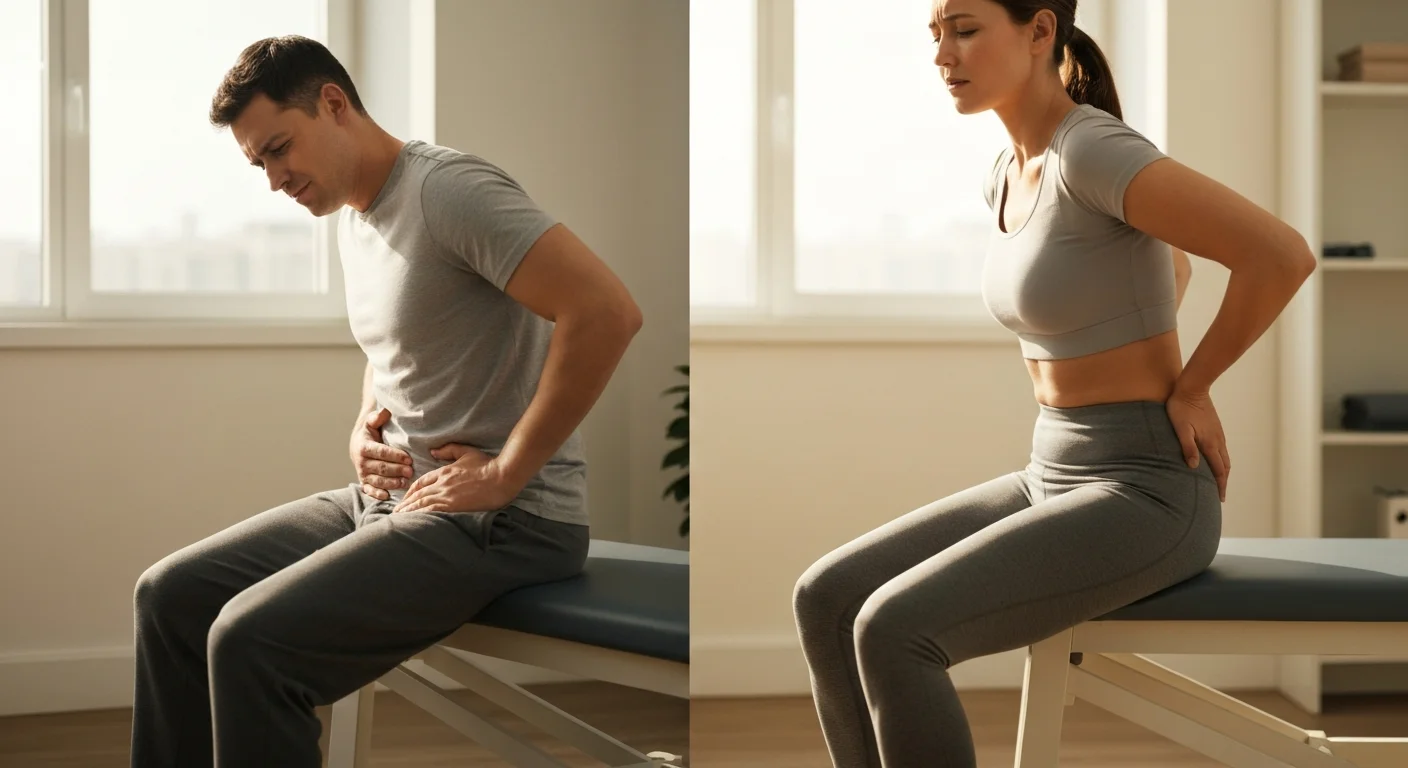
The causes of pelvic floor dysfunction stem from physical trauma, chronic mechanical strain, and localized nervous system dysregulation that disrupts muscle coordination. Whether a patient is dealing with high-tone or low-tone issues, understanding the primary drivers of pelvic dysfunction helps practitioners design an effective, long-term treatment plan.
Shared Risk Factors and Causes
Several everyday physical stressors can gradually compromise the integrity of the pelvic floor muscles over time:
- Chronic Straining: Long-term straining due to chronic constipation or a chronic cough places excessive downward pressure on the pelvic basin.
- Repetitive Heavy Lifting: Improper lifting techniques during athletic training or physical labor strain the pelvic support structures.
- Pelvic Trauma and Surgery: Scar tissue from abdominal surgeries, hysterectomies, hernia repairs, or prostate surgeries can bind tissues and restrict movement.
- Systemic Stress and Anxiety: Emotional stress often causes individuals to clench their pelvic floor muscles unconsciously, leading to hypertonicity.
Female-Specific Causes
Pregnancy and childbirth represent the most common triggers for pelvic floor muscle changes in women. The weight of the growing fetus places continuous pressure on the pelvic floor for months. During delivery, these muscles must stretch significantly to allow passage of the baby. Rapid, prolonged, or instrument-assisted births can tear or damage the pelvic nerves, making postpartum pelvic floor rehabilitation an essential step in restoring core stability.
Pelvic Floor Dysfunction in Men
While pelvic floor issues are often discussed in relation to women’s health, pelvic floor dysfunction in men is a highly prevalent but frequently misdiagnosed condition. Men with hypertonic pelvic muscles are often mistakenly treated for chronic bacterial prostatitis because the symptoms, such as groin pain, painful ejaculation, and urinary hesitation, are nearly identical. In many male patients, pelvic floor tension is caused by long-distance cycling, heavy lifting, or chronic stress, requiring targeted physical therapy rather than repeated courses of unnecessary antibiotics.
Additionally, chronic constipation is a major contributor to pelvic floor tension in both genders. Seeking specialized pelvic floor therapy for chronic constipation helps retrain the puborectalis muscle, allowing it to relax completely during bowel movements and preventing further strain on the pelvic nerves.
Physical Therapy for Pelvic Floor Dysfunction & Holistic Treatment Options
Clinical physical therapy for pelvic floor dysfunction involves a specialized blend of orthopedic assessment, manual tissue release, biofeedback, and neuromuscular re-education. At Copper Wellness in Chicago, IL, practitioners do not rely on generic exercise protocols. Instead, our specialists coordinate care across disciplines to identify the true root causes of pelvic pain and muscle dysfunction.
During a pelvic floor physical therapy evaluation, Dr. Lisa Lagomarcino, a pelvic health rehabilitation specialist, performs a comprehensive evaluation of the pelvic girdle, hips, and lower spine. This assessment includes both external and internal evaluations of the pelvic floor muscles to identify trigger points, tissue restrictions, and coordination issues. The clinical treatment plan may include:
- Manual Therapy: Hands-on techniques to release myofascial restrictions, reduce painful trigger points, and improve overall tissue elasticity.
- Pelvic Biofeedback: Utilizing specialized, painless sensors to show real-time muscle activity on a visual monitor, helping patients learn to relax or contract their muscles accurately.
- Therapeutic Exercises: Custom stretching routines for hypertonic patients or targeted stability training for hypotonic patients.
The Copper Wellness integrative approach combines specialized pelvic physical therapy with supportive holistic treatments. For instance, acupuncture sessions can down-regulate a hyperactive sympathetic nervous system, helping to ease systemic tension and reduce chronic pelvic pain. Additionally, chiropractic adjustments performed by Dr. Adam Mohr can correct pelvic alignment and stabilize the sacroiliac joints, removing mechanical strain from the surrounding pelvic muscles. This collaborative model ensures that the nervous, skeletal, and muscular systems are all addressed to support long-term recovery.
Hypertonic vs. Hypotonic Pelvic Floor Comparison
This hypertonic versus hypotonic pelvic floor comparison highlights how differing muscular states present distinct symptoms and require opposite treatment strategies. Reviewing this clinical breakdown can help you understand why an accurate diagnostic assessment is essential before beginning any rehabilitation program.
| Clinical Feature | Hypertonic Pelvic Floor (High-Tone) | Hypotonic Pelvic Floor (Low-Tone) |
|---|---|---|
| Muscle State | Overly tight, contracted, unable to relax. | Overly weak, elongated, lacking support. |
| Common Symptoms | Deep pelvic pain, painful intercourse, chronic constipation, urinary urgency, tailbone aching. | Urinary stress leaks, fecal incontinence, feeling of pelvic organs slipping or a heavy bulge. |
| Primary Therapy Goal | Down-regulating nervous system, releasing muscle tension, stretching, and coordinating relaxation. | Targeted muscle strengthening, core and hip stabilization, and intra-abdominal pressure management. |
| What to Avoid | Kegel exercises, high-impact activities, and ignoring pain triggers. | Chronic heavy straining and ignoring bladder leaks. |
| Integrative Support | Acupuncture, myofascial trigger point release, and deep diaphragmatic breathing. | Targeted corrective exercises and chiropractic pelvic alignment. |
Research published by the National Library of Medicine indicates that pelvic floor disorders affect approximately 25% of all women in the United States, underscoring how common — and how often unaddressed — these conditions are. Whether your muscles are hypertonic or hypotonic, a personalized treatment plan is the most effective way to restore comfort and function.
FAQ — People Also Ask
Can pelvic floor dysfunction be cured?
Yes, pelvic floor dysfunction is highly treatable and can be successfully managed. Because it is primarily a neuromuscular coordination issue rather than a structural disease, retraining the muscles is highly effective. Most patients experience significant relief from bladder, bowel, and pelvic pain symptoms within 6 to 12 weeks of consistent, specialized physical therapy and integrative care.
Is pelvic floor dysfunction curable without surgery?
Yes, conservative and non-surgical therapies are considered the standard first-line treatment for the vast majority of pelvic floor cases. Techniques such as pelvic floor physical therapy, myofascial release, biofeedback, and pelvic chiropractic care resolve symptoms without the need for invasive procedures. Surgery is typically reserved for severe cases of pelvic organ prolapse that do not respond to physical rehabilitation.
How do you fix pelvic floor dysfunction at home?
At-home care depends entirely on your specific muscle tone and must be guided by a professional clinical assessment first. For high-tone pelvic dysfunction, home exercises should focus on relaxation techniques, such as diaphragmatic breathing, child’s pose, and deep squats to stretch the pelvic basin. For low-tone pelvic dysfunction, gentle core stabilization and hip exercises can help build support, but you should avoid performing repetitive Kegels until a physical therapist evaluates your muscle state.
When should you see a pelvic floor physical therapist?
You should see a pelvic floor physical therapist if you experience pelvic pain, bladder leaks when coughing or laughing, painful intercourse, chronic constipation, or a frequent, sudden urge to urinate. Seeking an evaluation early, especially if symptoms have persisted for more than a few weeks, prevents the nervous system from becoming hypersensitive to pelvic discomfort and speeds up your overall recovery.
Can pelvic floor physical therapy help with chronic hip or back pain?
Yes, pelvic floor physical therapy can frequently help resolve persistent hip, lower back, or tailbone pain that has not responded to traditional orthopedic treatments. Because the pelvic floor muscles attach directly to the pelvis, tailbone, and hip joints, dysfunction in these deep muscles can refer pain to surrounding skeletal structures. Addressing pelvic floor muscle coordination often relieves tension in the lower back and hips.
Take the First Step Toward Pelvic Recovery
If you are experiencing persistent pelvic pain, urinary leaks, chronic constipation, or sexual discomfort, you do not have to navigate these challenges alone. At Copper Wellness, our team of specialized practitioners collaborates to treat the structural and nervous system imbalances behind your symptoms. Schedule a clinical assessment to receive a personalized treatment plan tailored to your body’s specific needs. To begin your recovery, please schedule a complimentary consultation at our Chicago clinic — call (872) 267-1717 or book online at copperwellness.janeapp.com.