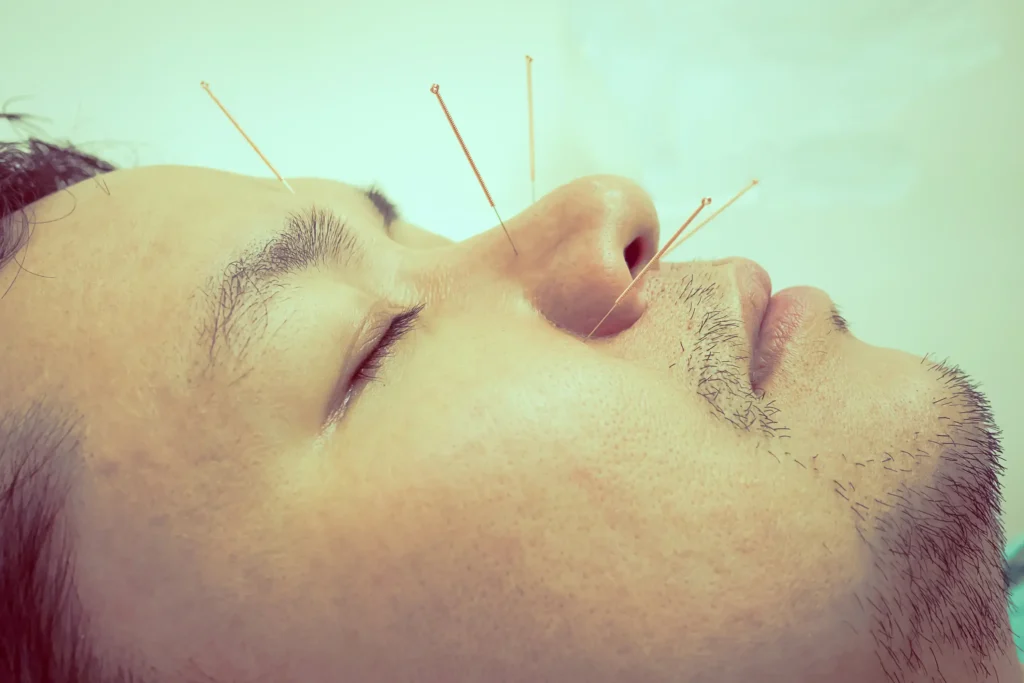
Acupuncture is a treatment where very thin yet fine sitelike needles are inserted into specific points on the body to stimulate nerves, muscles, and connective tissue. From a scientific standpoint, the goal is to trigger physiological responses – like increasing blood flow, releasing natural painkillers like endorphins, and regulating signals in the nervous system.
Many modern practitioners use acupuncture to provide measurable outcomes: like calming overactive nerves, reducing inflammation, improving circulation, and easing chronic tension. Acupuncture is used as part of integrative care for conditions like musculoskeletal pain, migraines, anxiety, and even recovery from neurological injuries. What are the top 10 benefits of acupuncture?
1. Pain Relief: Natural Solutions for Chronic Pain
Acupuncture is a drug-free option for managing chronic pain by stimulating nerves, releasing endorphins, relaxing tense muscles, and improving blood flow. It’s usually used for conditions like back pain, neck stiffness, shoulder tension, hip pain, and knee pain. The American Pain Society recognizes its benefit for persistent pain. Some physicians also see it as a safe alternative to opioids. Results vary, but it can provide relief after a few sessions, especially when acupuncture is combined with other integrative treatments. It’s used as part of long-term pain management plans in both clinics and wellness settings.
2. Stress Reduction: Achieving Balance in a Busy World
Benefits of acupuncture therapy also include that it can lower stress naturally by targeting the nervous system directly. When needles are placed at specific points, they stimulate nerves that affect brain chemistry – particularly neurotransmitters linked to mood and stress response. This helps shift the body out of fight-or-flight mode and into a more relaxed state by lowering cortisol, the hormone responsible for anxiety and tension. The calming effects can last well beyond the treatment itself. By restoring balance between the sympathetic and parasympathetic systems, acupuncture can help you feel calmer.
3. Improved Sleep: A Better Night’s Rest through Acupuncture
Acupuncture for Insomnia helps you sleep better by calming the nervous system and reducing stress – two biggest factors that cause insomnia. By influencing the brain it can also provide relaxation and regulate hormones like melatonin. Acupuncture sessions improve both sleep duration and quality, matching the effectiveness of medications without the side effects. A series of treatments can provide deeper, more restful sleep and make you feel calm at night. This makes acupuncture a viable option for those who need a natural solution to sleeplessness.
4. Mental Clarity and Focus: Sharpen Your Mind
Another benefit of acupuncture is that it may improve mental clarity by improving circulation to the brain and helping regulate neurotransmitters that are responsible for focus and cognitive function. Acupuncture can stimulate areas in the central nervous system that influence memory, attention, and emotions. It can treat brain fog, burnout, or difficulty concentrating. By balancing stress hormones and calming you down, the benefits of acupuncture can make your mind sharper without the crash of stimulants. It may also increase dopamine and serotonin, which can help you feel more focused and think clearer.
5. Boosted Immunity: Strengthening Your Body’s Defenses
Acupuncture may help boost your immune system by improving blood circulation and modulating the body’s inflammatory response. It triggers the production of immune cells like natural killer cells, which are important in detecting and destroying pathogens. By influencing the nervous and endocrine systems, acupuncture treatment benefits support immune balance. Better immune balance helps your body respond to infections without overreacting. It’s also used to lower chronic inflammation, which can weaken immune defense over time. It can also be used as a preventive tool during cold and flu seasons to stay well.
6. Headache and Migraine Relief
Acupuncture for migraines is an effective treatment for headaches and migraines. By targeting pressure points that often cause or contribute to head and neck tension, acupuncture helps ease pain and lower the frequency of headaches.Studies by the American Headache Society and the Cochrane review have found that adding acupuncture to a care routine can reduce the intensity and number of headaches. The treatment works by improving blood circulation, calming the nervous system, and influencing pain-regulating chemicals in the brain.
7. Digestive Health: Restoring Balance to Your Gut
Acupuncture may offer meaningful relief for people struggling with digestive issues like IBS, acid reflux, constipation, or bloating. By stimulating points that influence gut function, acupuncture for IBS can improve gastrointestinal motility, ease inflammation, and support the parasympathetic nervous system. These effects can help regulate bowel movements and reduce discomfort. In people with IBS, acupuncture has been reported to lessen abdominal pain, which makes life way more comfortable. Sessions may help calm an overactive digestive tract or support sluggish digestion, depending on the issue.
8. Fertility Support: Enhancing Your Chances for Conception
Acupuncture is a supportive therapy for people seeking to improve fertility. By improving blood flow to reproductive organs and calming the nervous system, fertility acupuncture creates a more favorable environment for conception. One of the key benefits of regular acupuncture is that it helps with hormonal balance. It supports regular ovulation, stabilizing menstrual cycles, and improving the overall work of the reproductive system. When used alongside treatments like IVF, acupuncture can provide higher pregnancy rates.
9. Allergy Relief: A Natural Remedy for Seasonal Allergies
Acupuncture is a drug-free option to manage seasonal allergies by targeting the body’s inflammatory response and calming the immune system. Acupuncture for allergies works by lowering histamine levels and regulating the production of inflammatory markers. It helps ease nasal congestion, sneezing, and itchy eyes. Studies have shown that acupuncture can lower allergic rhinitis symptoms, improve breathing, and life during allergy season. It’s commonly used to manage hay fever and chronic sinus discomfort.
10. Emotional Well-Being: A Holistic Approach to Mental Health
Acupuncture is used to help with emotional health, especially for people managing anxiety, depression, or chronic stress. By stimulating specific points, acupuncture for anxiety can influence neurotransmitters like serotonin and dopamine, which are used in mood regulation. Acupuncture for depression restores emotional balance, making you feel calm and inner stability. Acupuncture helps people feel more emotionally grounded, with less tension, better sleep, and improved outlook.
Additional Benefits of Acupuncture
Acupuncture benefits go beyond pain relief and stress reduction. For skin health, it’s used in cosmetic treatments to improve blood circulation and collagen production, which may help with acne, dryness, or signs of aging. In weight management, acupuncture for weight loss can help with appetite control, improve digestion, while acupuncture for hormone balance issues can also balance and regulate metabolism hormones.
Some additional acupuncture benefits include:
Clearer, more freshly looking skin.
Support for healthy metabolism.
More energy and less fatigue in CFS (Chronic Fatigue Syndrome) patients.
Finding a Qualified Acupuncturist in Chicago
When looking for a reliable and qualified acupuncturist in Chicago, start by checking for proper licensure and certification. A licensed acupuncturist should have completed an accredited program and passed national board exams. It’s also helpful to ask about their experience with your specific condition.
Before your first session, wear loose clothing, eat a light meal, and be ready to discuss your medical history in detail. During treatment, you should feel comfortable. When choosing a clinic, look for a clean, professional place, positive patient reviews, and clear communication from staff. A good clinic will help you understand your treatment plan and help set realistic expectations to get the most of the benefits of acupuncture.
Conclusion: Why Acupuncture Could Be the Healing Solution You Need
There are a lot of benefits of acupuncture. It can help with reducing pain and inflammation, supporting mental clarity, digestion, immunity, and emotional health. Acupuncture is a holistic option for everyone who needs natural support. It’s used alongside modern treatments or as a standalone approach, depending on the needs.
Are you managing chronic pain, stress, fertility issues, or just want to feel better? Acupuncture benefits may offer a safe, personalized solution. Its popularity shows that more and more people consider it as a treatment option.
Acupuncture is effective for treating various conditions, including chronic pain, headaches, anxiety, and stress. It also helps with digestive issues, insomnia, and certain types of allergies. This traditional practice stimulates specific points on the body to promote healing and balance.
Acupuncture is used to treat a variety of conditions, including chronic pain, headaches, stress, anxiety, insomnia, digestive disorders, and musculoskeletal issues like arthritis. It also helps with respiratory problems, allergies, and can improve overall wellness.
Acupuncture is generally not painful. Most people feel only a mild sensation when the needles are inserted, such as a slight pinch or tingling. The needles used are very thin, and any discomfort usually subsides quickly.
While acupuncture has been practiced for thousands of years and has anecdotal support for its benefits, its scientific validity remains debated. Some studies suggest it can be effective for certain conditions, but others argue the mechanisms behind acupuncture are not fully understood, placing it in a gray area between complementary therapy and pseudoscience.
Dr. Stephanie Madden is the founder of Copper Wellness, an integrative wellness clinic dedicated to holistic healing. A licensed acupuncturist, board-certified herbalist, and integrative medicine specialist, she specializes in complex cases, emotional trauma, and fertility. With a doctorate from AOMA and a passion for innovation, Dr. Madden blends expertise and compassion to empower patients on their wellness journey, creating a space where healing and transformation thrive.