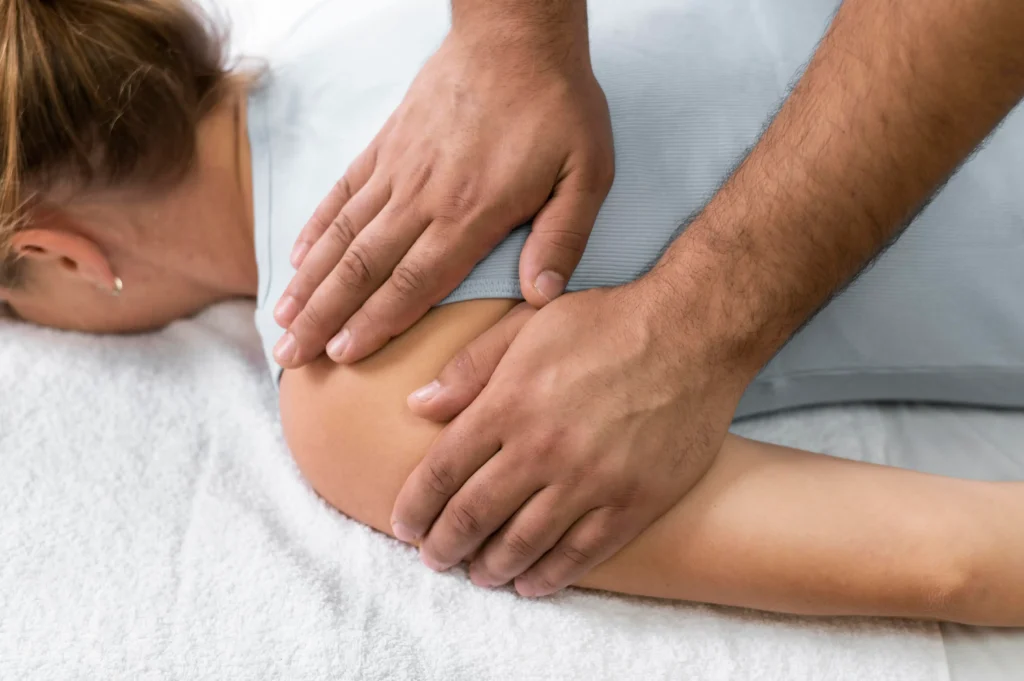
What is a Swedish massage? Swedish massage is one of the most famous forms of therapeutic massage. Its main goal is to ease muscle tension, reduce stress, and help with overall relaxation. Swedish massage is a gentle, full-body massage that works primarily on the surface muscles using different flowing techniques to calm down the body and mind.
During a Swedish massage, the therapist uses smooth, long strokes, circular motions, kneading, and light tapping to relax the muscles and improve blood circulation. Oil or lotion may also be applied so there would be less friction.
The focus of this treatment is not only to get rid of physical tension but also to calm the nervous system. It can help you move easier, ease soreness from daily stress or overuse, and help you feel refreshed.
What Happens During a Swedish Massage?
Swedish massage sessions usually begin with light strokes to prepare muscles and relax the body. Then, different techniques like kneading, tapping, and circular movements are used to relax the body and improve blood circulation. The client usually lies on a massage table, covered with a sheet. Only the massage area is exposed during sessions.
You can expect to feel gentle pressure, warmth, and a gradual relaxation of tight or sore areas. The massage usually happens in stages. The massage session usually begins with the back and shoulders and goes down to the neck, arms, and legs, ending with calming strokes to help you feel relaxed. A professional massage therapist will help you experience the most Swedish massage benefits.
What Is a Deep Tissue Massage?
What is a deep tissue massage? Deep tissue massage goes deeper, hence the name. It focuses on inner layers of muscles and connective tissue to treat chronic tension. While Swedish massage uses light or moderate pressure, deep tissue uses slower strokes and greater intensity to reach areas that are tight or overworked. It’s usually used to treat injuries, muscle stiffness, and persistent pain. It makes your blood flow better and breaks adhesions. Deep tissue massage can help with recovery, reduce inflammation, and even physical performance – especially for athletes or those dealing with muscle strain.
What Happens During a Deep Tissue Massage?
A deep tissue massage usually begins with a conversation about your pain. Once you’re on the table, the therapist starts with light pressure to warm up the muscles. It starts with gentle pressure, but it increases slowly to get to deeper layers. Using slow strokes, knuckles, forearms, or elbows, they target tight areas in your muscles and connective tissues. You may feel intense pressure, but it shouldn’t be painful. If you feel pain, be sure to tell your therapist. After the treatment it’s normal to feel sore. Be sure to visit a professional therapist to get the most of deep tissue massage benefits.
Key Differences Between Swedish and Deep Tissue Massage
Swedish and deep tissue massages may seem like almost the same thing, but here is a difference between Swedish and deep tissue massage. Swedish massage focuses on relaxation with long, gentle strokes. It’s ideal for stress, blood circulation, and easing mild tension. Deep tissue massage uses slower movements and stronger pressure to reach deeper, making it a better option to address issues like chronic pain, tight knots, or recovery from physical strain.
All in all, if you’re feeling mentally or physically drained, you may want to visit a Swedish massage session. If you suffer from muscle injuries or tightness, deep tissue therapy is better.
Benefits of Regular Massage
Regular massage sessions do more than just help you relax. They can help make you healthier overall. Are you managing stress, recovering from an injury, or just want to relax? Consistent sessions can make an actual difference in how you feel day to day.
Over time, regular massage can do these:
Better blood circulation and lymphatic flow.
Less muscle tightness and joint stiffness.
Better immune system work.
Faster recovery from physical activity.
Better mental clarity and more restful sleep.
How to Prepare for Your Massage Session
Start by staying hydrated throughout the day. Try to avoid heavy meals or caffeine right before your appointment so your body stays relaxed and comfortable.
Before your session, take a few minutes to calm down. Arrive early, breathe deeply, and allow your mind to settle. Warming up your muscles with a hot shower or light stretching can also be helpful. Also be sure to tell everything to your therapist, especially if you’re not feeling alright.
Choosing the Right Massage Therapist in Chicago
Finding the right massage therapist can make a huge difference in your treatment. First of all, look for someone who is licensed, experienced, and trained in techniques that you need – especially if you need massage for lower back pain, massage for sciatica, or massage for TMJ. A qualified therapist should listen to what you have to say about your pain, ask about your health history, and make sure each session fits your needs.
It also helps to choose a provider who takes into account integrative health and wellness, using massage with other supportive approaches. Reading reviews, asking for referrals, and booking a consultation are great ways to make sure you’re in skilled hands.
For a Swedish massage, it’s best to wear comfortable, loose-fitting clothing that allows easy access to the areas being massaged. Most people undress to their comfort level and are covered with a towel or sheet during the session for privacy.
Swedish massage involves long, flowing strokes, kneading, and circular movements on the uppermost layers of muscles. It is designed to promote relaxation, improve circulation, and relieve tension. The therapist may also use tapping or vibration techniques to enhance the massage experience.
Deep tissue massage can cause some discomfort, especially if muscles are tight or tense, as it involves more intense pressure to target deeper layers of muscle and connective tissue. However, the discomfort should not be unbearable, and it usually fades as the muscles relax. Communicating with the therapist can help adjust the pressure to a comfortable level.
The frequency of deep tissue massages depends on individual needs and goals. For general muscle tension relief, once every two to four weeks is typical. However, if you’re recovering from an injury or have chronic pain, more frequent sessions, such as once a week, may be beneficial. It’s best to consult with a massage therapist for personalized advice.
Dr. Stephanie Madden is the founder of Copper Wellness, an integrative wellness clinic dedicated to holistic healing. A licensed acupuncturist, board-certified herbalist, and integrative medicine specialist, she specializes in complex cases, emotional trauma, and fertility. With a doctorate from AOMA and a passion for innovation, Dr. Madden blends expertise and compassion to empower patients on their wellness journey, creating a space where healing and transformation thrive.