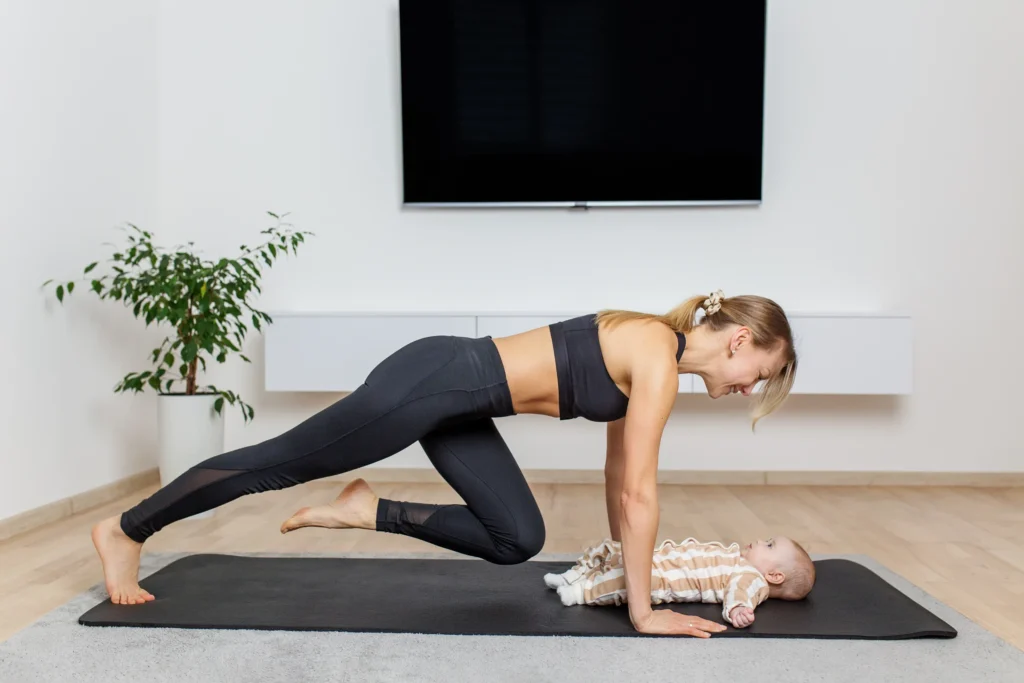

Safely practice pelvic floor exercises during pregnancy to prevent leakage and prepare for birth. Learn to balance muscle strength and relaxation.

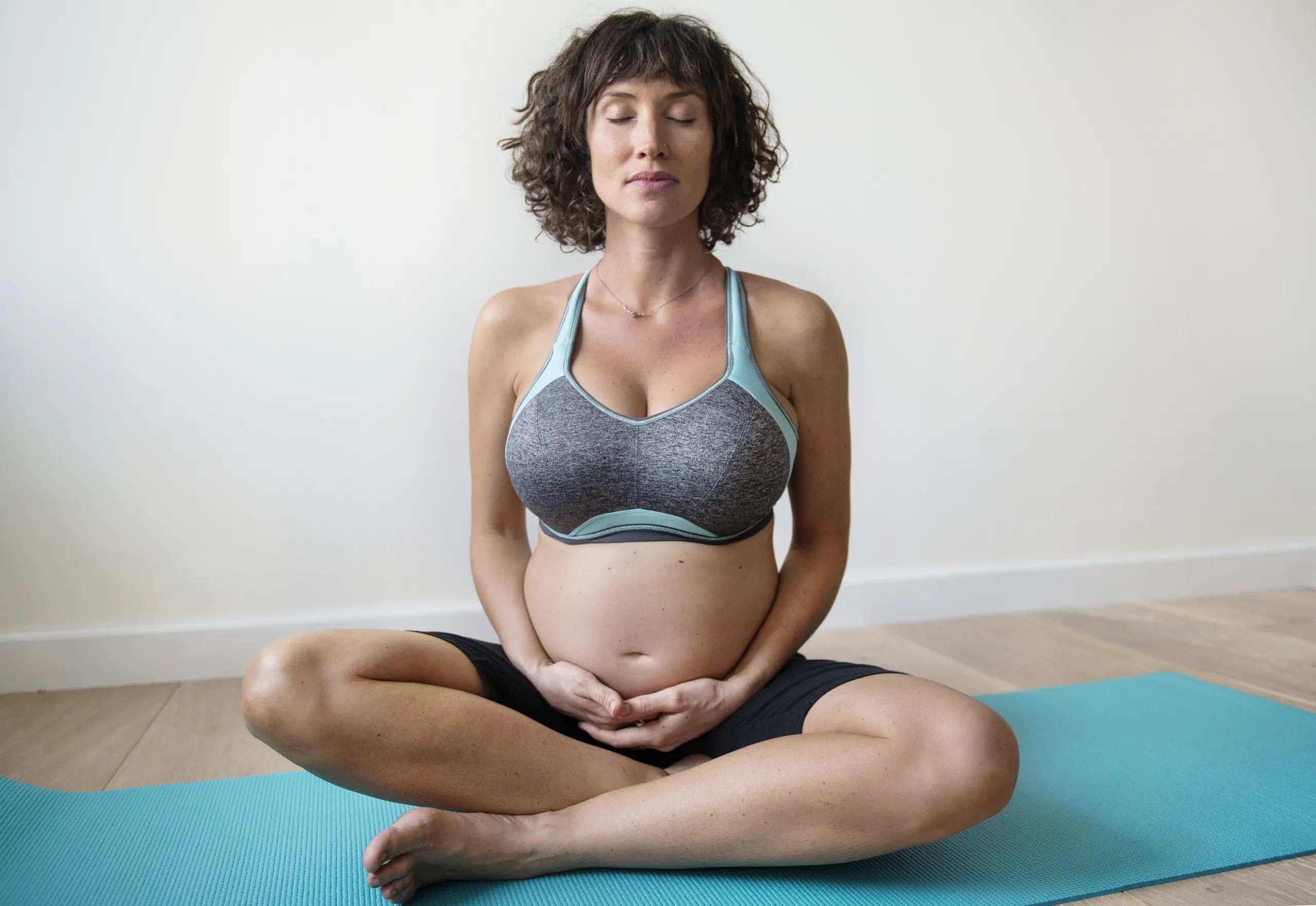
Yes, practicing targeted pelvic floor exercises during pregnancy is highly safe and recommended to prevent urinary incontinence, support the growing uterus, and prepare the birth canal for delivery. However, exercises must balance contraction (strengthening) with deep relaxation (lengthening). Performing repetitive contraction exercises on an already tight (hypertonic) pelvic floor can worsen pelvic pain and complicate labor. For individuals experiencing symptoms like urinary leakage, pelvic pressure, or pelvic girdle pain, transitioning from general at-home exercises to clinical pelvic physical therapy is highly recommended. For those enjoying an asymptomatic, preventative pregnancy, a balanced at-home regimen of diaphragmatic breathing and pelvic lengthening is ideal. Ultimately, knowing your specific muscle tone is the key to choosing the safest path for your body.
Key Takeaways
- Balance is Essential: A healthy pelvic floor must be both strong enough to support your organs and flexible enough to fully relax and let go during labor.
- Kegels Aren’t Universal: If your pelvic floor is already tight or hypertonic, standard Kegels can worsen pelvic pain, constipation, and labor complications.
- Trimester-Specific Progressions: Your exercise focus should shift from core stability in the first trimester to active lengthening and labor prep in the third trimester.
- Professional Assessment is Best: A single visit with a clinical pelvic physical therapist can tell you exactly which muscles to target and save you months of incorrect training.
Understanding Your Muscles: Why Pelvic Floor Therapy During Pregnancy Matters
The pelvic floor is a highly specialized group of muscles and connective tissues. It stretches like a supportive hammock from your pubic bone in the front to your tailbone in the back. These muscles play a critical role in supporting your bladder, uterus, and bowels. During pregnancy, this system faces unprecedented physical demands.
According to research published in the American Journal of Obstetrics and Gynecology, up to 46% of pregnant individuals experience some degree of urinary incontinence. As your baby grows, your pelvic floor must support up to 25 to 35 pounds of extra weight. Simultaneously, your body produces the hormone relaxin. This hormone naturally loosens your ligaments to allow your pelvis to expand for birth. However, this increased joint laxity forces your pelvic floor muscles to work much harder to maintain stability. Overworked muscles often become tight, weak, or uncoordinated.
Using specialized pelvic floor therapy for pregnancy helps prevent muscle dysfunction before it starts. Proper therapeutic training reduces or eliminates urinary leakage when coughing, sneezing, or exercising. It minimizes common issues like pelvic girdle pain, pubic symphysis dysfunction, and sacroiliac joint instability. Additionally, learning how to relax these muscles prepares the perineal tissue for stretching. This preparation reduces the risk of severe perineal tearing during delivery and establishes strong neuromuscular pathways for postpartum recovery.
The Ultimate Guide to Safe Pelvic Floor Exercises for Pregnancy
To safely train your pelvic floor at home, you must prioritize coordination over simple squeezing. The following exercises help build functional strength, encourage proper muscle lengthening, and improve your deep core coordination.
1. Seated Diaphragmatic Breathing (Belly Breathing)
Diaphragmatic breathing is the foundation of all pelvic floor therapy. Your diaphragm and your pelvic floor function as a coordinated unit. As you inhale, both your diaphragm and pelvic floor should gently drop and expand. As you exhale, they naturally return to their resting, lifted positions.
- Sit comfortably on a supportive chair with your feet flat on the floor.
- Place one hand on your chest and the other hand on your lower belly.
- Inhale deeply through your nose. Direct the air into your abdomen, allowing your belly and ribs to expand in 360 degrees.
- Feel your pelvic floor widen, drop, and open during this deep inhalation.
- Exhale slowly through pursed lips. Let your belly and pelvic floor return naturally to their starting positions without forcing a contraction.
Practice this exercise for 2 to 3 minutes daily to establish healthy core coordination.
2. Reverse Kegels (Active Pelvic Floor Relaxation)
Learning to actively relax your pelvic floor is essential for birth preparation. It is especially critical for individuals who hold tension in their pelvis. This exercise teaches you how to consciously open and let go of the muscles to allow your baby to descend during labor.
- Sit or lie down in a comfortable, fully supported position.
- Take a deep, slow breath in, allowing your abdomen and pelvic floor to expand.
- Visualize your pelvic floor muscles opening up and widening. Imagine them blooming gently like a flower.
- Focus on releasing the muscles you would use to pass gas or urinate.
- Do not push down or strain. Simply visualize absolute, tension-free release.
Perform 10 repetitions daily. Hold the fully relaxed state for 3 to 5 seconds on each deep inhale.
3. Coordinated Kegels (Concentric Contractions)
Coordinated Kegels build the functional endurance needed to support your growing uterus. Only perform these contractions if you do not show signs of a tight pelvic floor. If you experience painful intercourse or chronic constipation, skip this exercise.
- Sit upright on a firm chair. You can use a rolled-up hand towel under your pelvis as a sensory guide.
- As you exhale, gently squeeze the muscles around your vagina and anus. Imagine stopping the flow of urine or preventing the passage of gas.
- Feel a distinct, gentle lift away from the chair. Avoid squeezing your glutes, inner thighs, or abdomen.
- As you inhale, completely release the contraction. Return your pelvic floor entirely to baseline.
Perform 8 to 10 repetitions. Hold the contraction for 3 to 5 seconds. Always follow every contraction with a complete relaxation phase that is double the length of the contraction.
4. Kegel Squats (Functional Pelvic Stability)
Squats are an exceptional way to prepare your body for birth. They help coordinate your pelvic floor muscles with your glutes, hips, and deep core.
- Stand with your feet placed slightly wider than hip-width apart.
- As you lower down into a comfortable squat, inhale deeply. Allow your pelvic floor to fully relax, widen, and open at the bottom.
- Press firmly through your heels to return to standing.
- As you rise, exhale gently and engage your pelvic floor and deep core.
- Fully relax your pelvic floor once you reach the top of the movement.
Perform 2 sets of 8 to 10 repetitions to build lower body strength and pelvic coordination.

Prenatal Pelvic Floor Physical Therapy by Trimester: Your Timeline
Your pelvic floor needs change continuously throughout your pregnancy. Structuring your training by trimester ensures you are supporting your body’s changing structural demands.
| First Trimester (Weeks 1 to 12) | Second Trimester (Weeks 13 to 26) | Third Trimester (Weeks 27 to Birth) |
|---|---|---|
| Focus: Foundational coordination, diaphragmatic breathing, and basic muscle activation/release. | Focus: Core integration, posture, pelvic alignment, and strength endurance under growing weight. | Focus: Active lengthening, pelvic opening, perineal stretching, and labor release prep. |
Pelvic Floor Therapy First Trimester: Building the Foundation
During the first trimester, rapid hormonal shifts can cause fatigue, bloating, and early changes in tissue laxity. Your main exercise goal is to master diaphragmatic breathing and pelvic floor awareness. You must learn to distinguish a true contraction from a complete, restorative release. Early assessment with a clinical specialist is highly valuable. A professional can identify pre-existing pelvic imbalances, hypertonicity, or hidden weaknesses before your baby’s weight increases physical strain on the pelvis.
Pelvic Floor Therapy Second Trimester: Stabilization and Support
During weeks 13 to 26, your baby grows rapidly. This shifts your center of gravity forward and increases the natural curve in your lower back. Your goal during this phase is to integrate your pelvic floor with functional movements like squats, glute bridges, and bird-dogs. Strengthening your deep core and glutes helps stabilize your pelvis. This targeted stabilization prevents sacroiliac joint pain and lower back discomfort as your belly grows.
Pelvic Floor Therapy Third Trimester: Opening and Labor Prep
From week 27 until delivery, your training focus shifts entirely from strengthening to releasing, opening, and yielding. Your daily goal is to prioritize Reverse Kegels, deep squat holds, and targeted pelvic opening movements. Seeking clinical prenatal pelvic floor physical therapy during this time provides essential preparation. A clinical therapist will guide you through perineal massage to reduce tearing risks. They will teach you active pushing mechanics and help you identify comfortable labor and delivery positions tailored to your unique anatomy.
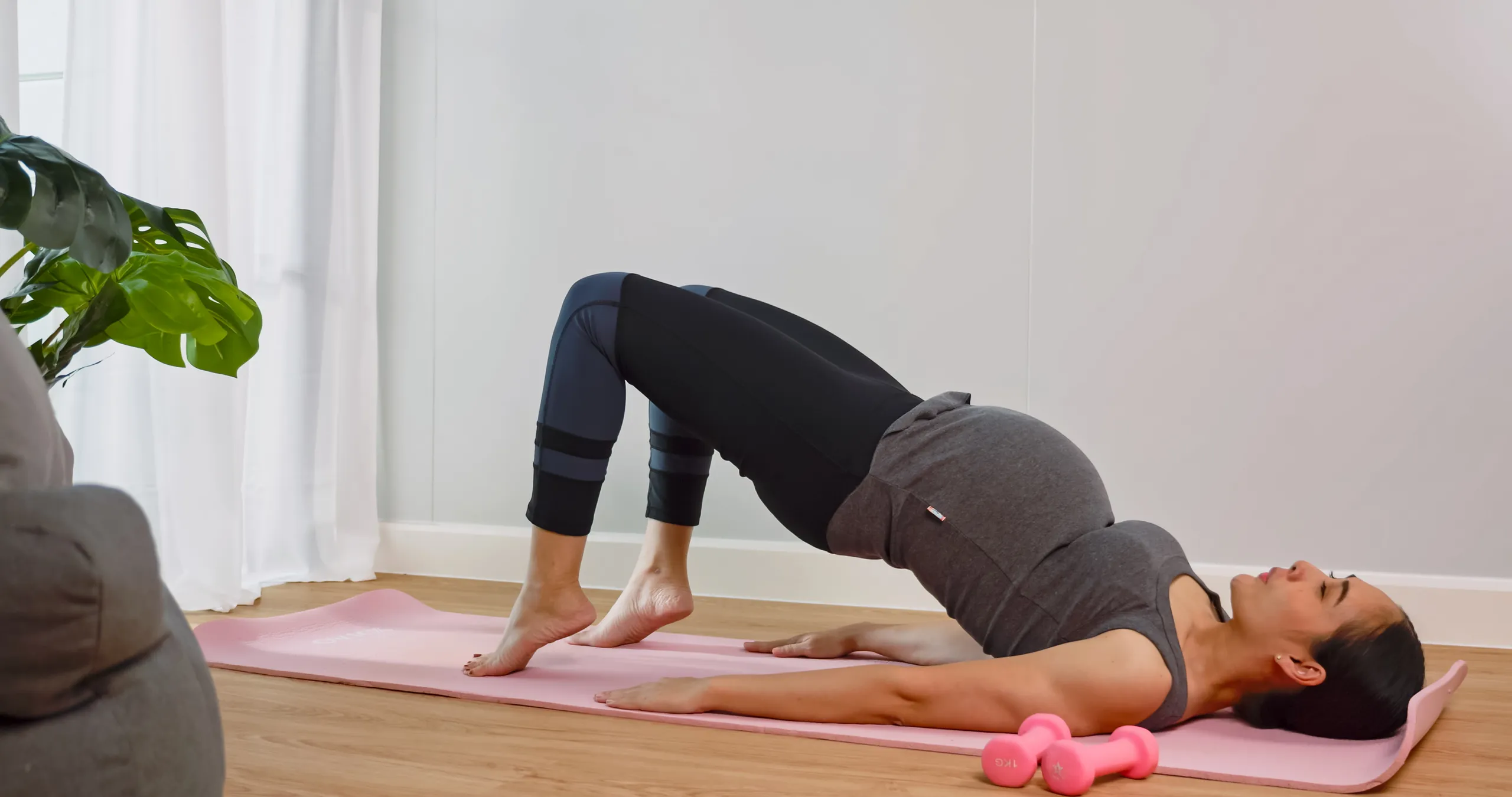
Do You Have a Hypertonic vs. Hypotonic Pelvic Floor?
Many pregnant individuals assume they need to strengthen their pelvic floor. However, an overactive, tight pelvic floor is incredibly common. The following table highlights the differences between hypertonic and hypotonic pelvic floor states.
| Pelvic Floor State | Common Symptoms | Primary Goal of Exercises | Recommended Exercises | What to Avoid |
|---|---|---|---|---|
| Hypertonic (Too Tight) | Pelvic girdle pain, painful intercourse, constipation, difficulty fully emptying bladder, tailbone pain. | Relaxing, lengthening, and learning to let go. | Reverse Kegels, diaphragmatic breathing, adductor stretches, child’s pose. | Standard Kegels, intense core bracing, holding your breath. |
| Hypotonic (Too Weak) | Stress incontinence (leaking urine when sneezing/coughing), pelvic pressure, feeling a lack of support. | Building endurance, functional strength, and pelvic coordination. | Coordinated Kegels, Kegel squats, abdominal bracing. | Bearing down, ignoring leaks, rushing through reps. |
| Optimal (Balanced) | No pelvic pain, no leaking, regular bowel movements, good core stability. | Maintaining balance between strength and flexibility. | Dynamic functional movement, breathing coordination, moderate Kegels. | Overtraining, repeating identical movements without variety. |
| Co-contraction Dysfunction | Sensation of weakness accompanied by pelvic pain, incomplete bladder emptying, leakage under physical stress. | Restoring proper neurological firing patterns and releasing tension before strengthening. | Professional biofeedback, gentle diaphragmatic breathing, release techniques. | Self-prescribed strengthening programs, high-impact jumping exercises. |
When to Seek Professional Prenatal Pelvic Floor Physical Therapy
While safe at-home exercises are an excellent starting point, they cannot replace specialized clinical evaluation. Professional guidance is particularly important during pregnancy to ensure your safety. Data from the National Institutes of Health indicates that up to 33% of women experience pelvic floor disorders in their lifetime. Pregnancy and childbirth are major risk factors. If you experience any of the following symptoms, skip the DIY approach and book a clinical evaluation.
A persistent feeling of heaviness, bulging, or pressure in your vagina is a key sign of dysfunction. This pressure often feels worse at the end of the day. You should also seek professional care if you experience leakage of urine, gas, or stool during daily activities, exercise, or laughing. Pain during sexual intercourse, persistent hip pain, or pubic bone pain also indicates you need professional assistance. Finally, difficulty emptying your bladder or bowels is a clear sign that your muscles are struggling to relax.
One common professional mistake to avoid is ignoring minor leaks. Many individuals assume that leaking a little urine when coughing is just a normal part of pregnancy. In reality, leaking is a sign of underlying dysfunction that can worsen postpartum. Seeking care from a certified specialist like Lisa Lagomarcino ensures you receive an individualized treatment plan.
FAQ — People Also Ask
Is it too late to start pelvic floor exercises in the third trimester?
No, it is never too late to start. In fact, starting pelvic floor therapy in your third trimester is highly beneficial for birth preparation. The focus during these final weeks is on learning to relax and open the muscles, practicing perineal massage, and mastering pushing techniques. This targeted training can dramatically improve your labor experience and speed up your initial recovery, even if you did not train during your first two trimesters.
How does pelvic floor physical therapy pregnancy work if I plan to have a C-section?
Even if you have a scheduled Cesarean delivery, your pelvic floor still carries the significant weight of your growing baby and uterus for nine months. Additionally, pregnancy hormones like relaxin loosen your structural joints regardless of your delivery method. Utilizing prenatal pelvic therapy prepares your deep core for post-surgical recovery. It also helps you learn safe scar tissue mobilization techniques and transition smoothly into postpartum pelvic floor therapy to prevent long-term pelvic floor dysfunction.
Can I do standard Kegels throughout my entire pregnancy?
You should only perform standard Kegels if your pelvic floor has been professionally evaluated and determined to be hypotonic or balanced. If you have an overactive or tight pelvic floor, performing repetitive Kegels will tighten the muscles further. This increased tension can make it difficult for your pelvic floor to stretch during labor. It may also increase labor duration, raise the risk of perineal tearing, and worsen existing pelvic pain.
How does pelvic floor therapy for pregnant women integrate with prenatal chiropractic care?
At integrative clinics like Copper Wellness in Chicago, pelvic floor physical therapy works hand-in-hand with prenatal care. While a pelvic physical therapist balances and releases the soft tissue of the pelvic floor, a prenatal chiropractor ensures your pelvis, hips, and sacrum are properly aligned. Adding a regular prenatal massage further reduces muscle tension and relieves physical stress. Together, these collaborative therapies create optimal space for your baby and keep you comfortable throughout your pregnancy.
What is the difference between pelvic floor physical therapy and general core exercises?
General core exercises often focus on the superficial abdominal muscles, like the rectus abdominis. These movements can sometimes increase intra-abdominal pressure and strain the pelvic floor if done incorrectly. In contrast, clinical pelvic floor therapy specifically targets the deep stabilizing system of your body. It focuses on the coordinated movement of the diaphragm, transverse abdominis, multifidus, and pelvic floor muscles. This targeted approach ensures you build functional stability without placing excessive, unsafe pressure on your pelvic organs.