Tinnitus is the feeling of ringing, buzzing, or humming in the ears without any external sound. It can range from mild and occasional to constant and disruptive. It’s usually caused by issues like stress, poor circulation, or nerve irritation. Tinnitus itself is a symptom rather than a disease, but it can significantly affect your life.
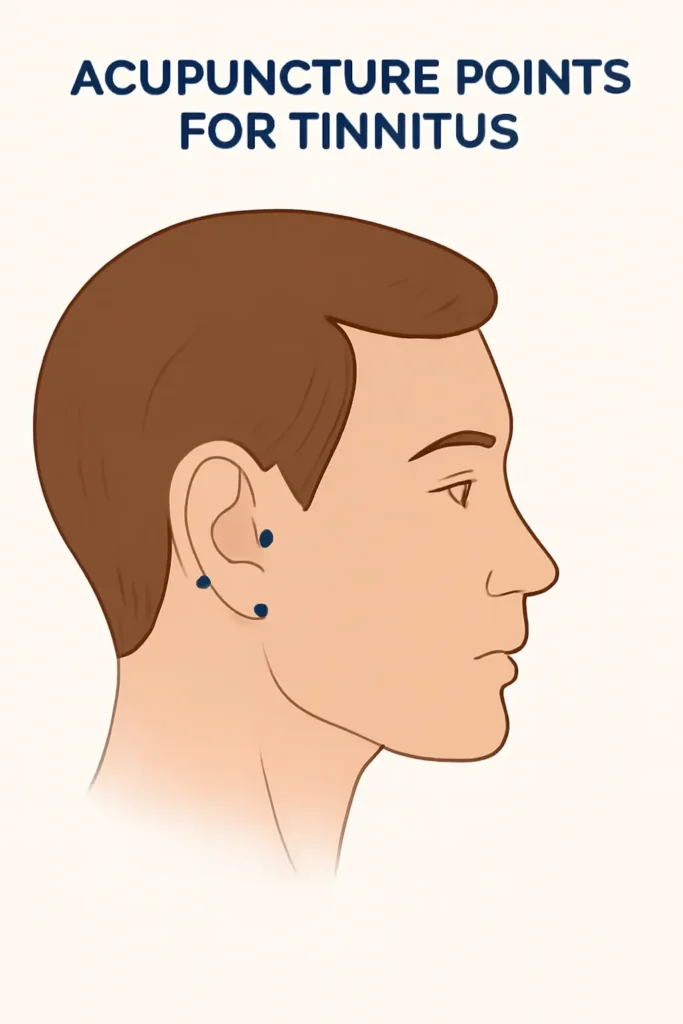
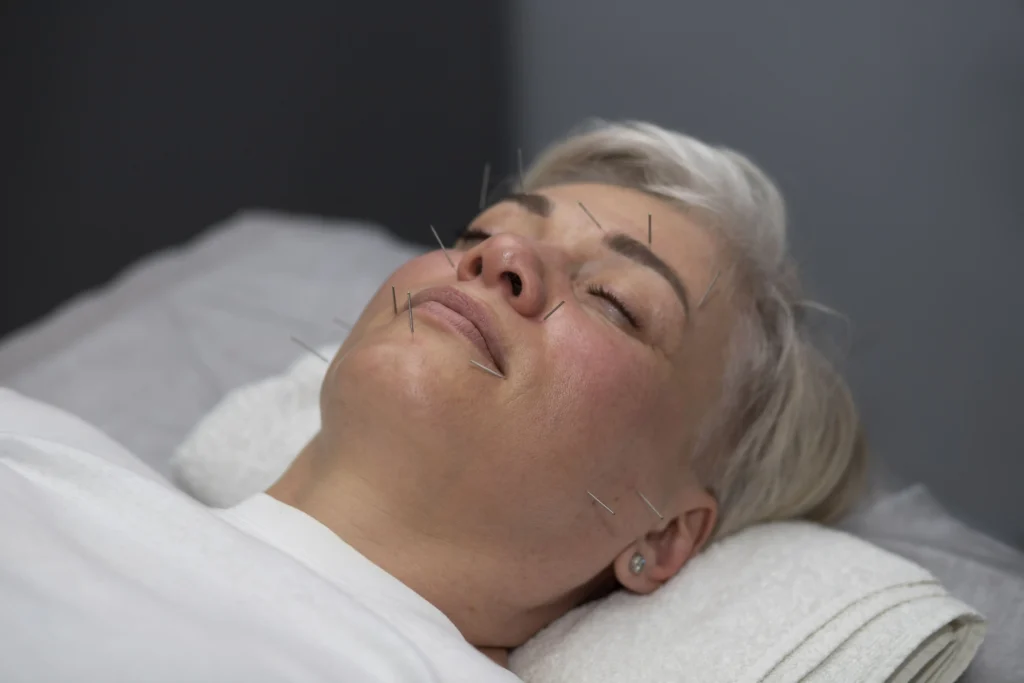
Acupuncture for tinnitus focuses on calming the nervous system and improving blood flow to the head and ears. During a session, very thin yet fine needles are placed at specific chosen acupuncture points for tinnitus that influence circulation, nerve activity, and muscle tension. These points are selected based on each person’s unique health history and presentation of tinnitus. By stimulating them, acupuncture for tinnitus relief may help reduce the perception of ringing, ease stress, and support relaxation.
A course of treatments often involves several sessions, giving the body repeated chances to respond. Over time, many patients notice not just relief in ear ringing but also improvements in sleep and overall well-being.
Which Points Are Used?
Ermen (TB21). Near the ear, this point is often used to ease ear ringing, pain, and pressure.
Fengchi (GB20). At the base of the skull, it helps boost blood flow to the head and relax tension that can contribute to tinnitus.
Hegu (LI4). Located on the hand, this point is useful for reducing overall pain and improving circulation, which may ease tinnitus symptoms.
Jinggong (SI19). Near the ear, this point focuses on hearing-related issues and helps calm auditory nerve irritation.
Shanguan (GB3). Used to reduce ear ringing and jaw tension.
Taixi (KI3). Near the ankle, it supports kidney function in traditional Chinese medicine, which may influence hearing health.
Tinghui (GB2). Just in front of the ear, this point is commonly used for various ear problems, including ringing.
Yifeng (SJ17). Behind the earlobe, it helps with ear circulation and is often chosen for persistent tinnitus.
Yindu (KI19). A point on the abdomen used to help with balance and health, which can indirectly benefit ear function.
Yanglao (SI6). On the forearm, it is used to improve blood circulation and help with nerve-related discomfort.
Zhongzhu (SJ3). On the back of the hand, this point is used to ease headaches and ear-related issues.
Waiguan (SJ5). Located on the forearm, this point helps with relaxation.
What Does the Research Say About Treating Tinnitus with Acupuncture?
Patients who experience the best results with acupuncture for tinnitus often follow a treatment plan that involves at least two sessions per week for the first 3 to 6 weeks. After this initial phase, they typically continue with weekly sessions for an additional 6 weeks.
This consistent and frequent treatment schedule helps to maximize the benefits of acupuncture, allowing for better symptom management, improved relaxation, and overall relief from tinnitus. Many practitioners recommend this approach to ensure the best long-term outcomes for their patients.
Is It Safe to Try
Acupuncture treatment for tinnitus is a safe and low-risk treatment when performed by a trained and licensed professional at a trusted integrative health center. The needles are very thin, sterile, and designed for single use, which minimizes the chance of infection or complications. Most people usually experience only mild sensations, like slight tingling or warmth during the session, and serious side effects of acupuncture for tinnitus are very rare.
If you’re considering acupuncture for tinnitus or related issues, visiting an acupuncture wellness center can help you get proper care. These clinics follow strict safety standards and personalize treatments based on your unique health needs.
As with any therapy, it’s always best to discuss your medical history and current symptoms with a qualified provider before starting any treatments to confirm that acupuncture is right for you.
Acupuncture may help alleviate symptoms of tinnitus for some people, although scientific evidence on its effectiveness is mixed. Some studies suggest that acupuncture can reduce the intensity of tinnitus or improve overall well-being, but more research is needed to confirm its long-term benefits for this condition.
The number of acupuncture sessions for tinnitus varies depending on the individual and the severity of the condition. Typically, people may need between 6 to 10 sessions over a few weeks to see noticeable improvements. Some may require ongoing treatments to manage symptoms effectively. It’s best to consult with an acupuncturist for a personalized treatment plan.
The success rate of acupuncture for tinnitus varies, with about 40-50% of patients reporting significant improvement in symptoms. Some studies show higher success rates, up to 80%, while others report lower success, with only 10-20% experiencing improvement. The effectiveness depends on factors like study design, patient characteristics, and acupuncture protocols used.
Acupuncture can be effective for some individuals in reducing the severity of tinnitus symptoms. While studies show mixed results, many people report improvements in symptoms, such as reduced ringing or discomfort. However, the effectiveness varies from person to person, and more research is needed to confirm its overall benefit.
Dr. Stephanie Madden is the founder of Copper Wellness, an integrative wellness clinic dedicated to holistic healing. A licensed acupuncturist, board-certified herbalist, and integrative medicine specialist, she specializes in complex cases, emotional trauma, and fertility. With a doctorate from AOMA and a passion for innovation, Dr. Madden blends expertise and compassion to empower patients on their wellness journey, creating a space where healing and transformation thrive.