

If you are experiencing unexplained pelvic pain, difficulty with urination, or sexual dysfunction, schedule a complimentary consultation at Copper Wellness to find out whether pelvic floor physical therapy is right for you. Chicago men dealing with these issues rarely connect their symptoms to a treatable muscular condition—yet male pelvic floor dysfunction is far more common …

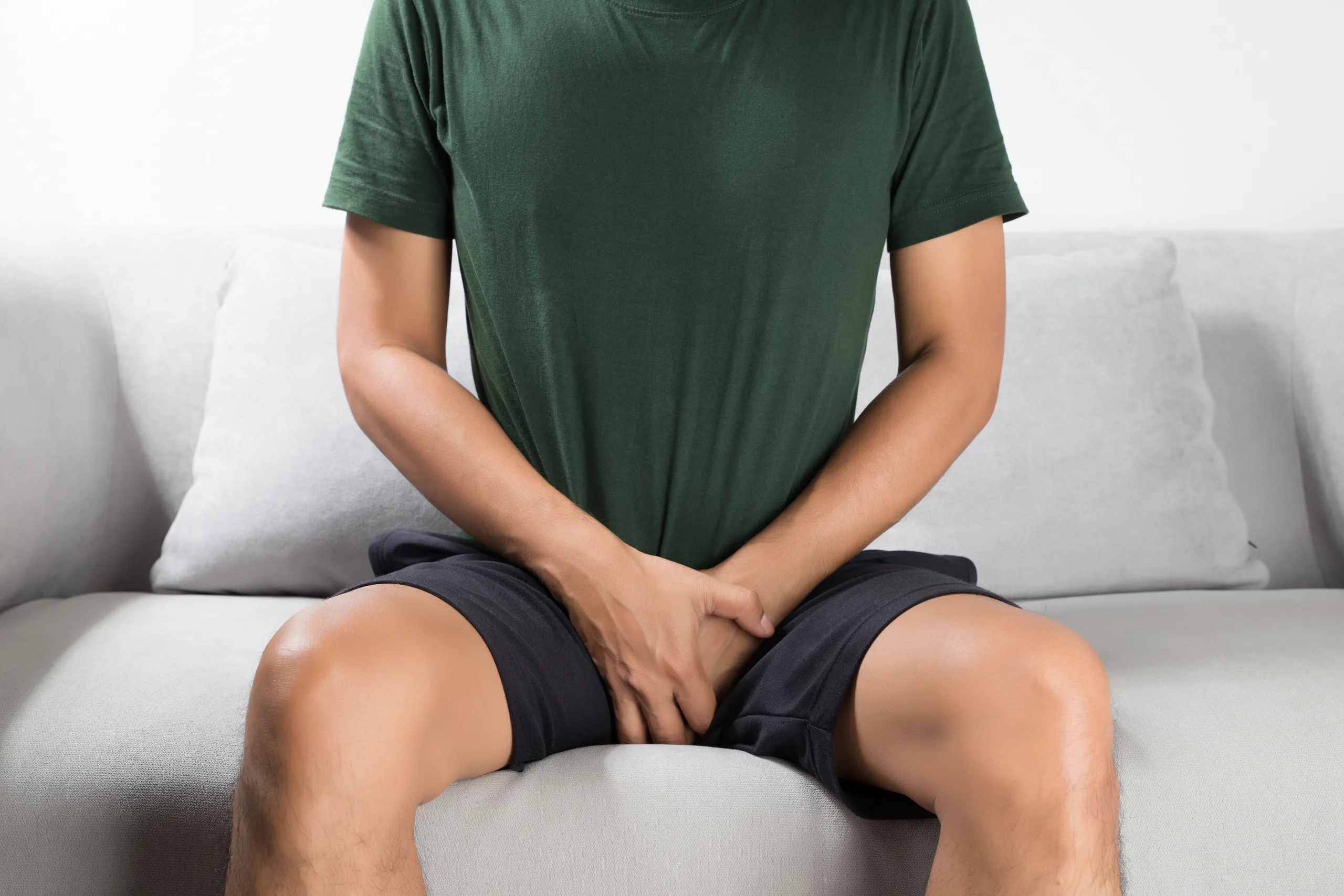
If you are experiencing unexplained pelvic pain, difficulty with urination, or sexual dysfunction, schedule a complimentary consultation at Copper Wellness to find out whether pelvic floor physical therapy is right for you. Chicago men dealing with these issues rarely connect their symptoms to a treatable muscular condition—yet male pelvic floor dysfunction is far more common than most realize, and highly responsive to the right clinical approach.
Disclaimer: The information provided in this article is for educational purposes only and does not replace professional medical advice, diagnosis, or treatment. Always consult a qualified healthcare provider regarding any symptoms or health conditions.
What Is Pelvic Floor Dysfunction in Men?
Male pelvic floor dysfunction is the inability to correctly coordinate, contract, or relax the sling of muscles that spans the base of the pelvis, supporting the bladder, bowel, and sexual organs. When this coordination breaks down—whether the muscles become chronically over-tightened or progressively weakened—the result is a cascade of painful, inconvenient, and often embarrassing symptoms affecting urinary control, bowel function, and sexual performance.
There is a critical distinction that most general health resources fail to make: pelvic floor dysfunction in men is not simply a weakness problem. It exists on a spectrum ranging from hypertonic (muscles locked in chronic contraction) to hypotonic (muscles lacking the tone to do their job). Treating the wrong type of dysfunction with the wrong approach—most commonly, prescribing Kegel exercises to a man with a chronically tight pelvic floor—will worsen symptoms, not resolve them. A professional evaluation is always the essential first step.
The condition is also highly treatable. The vast majority of patients with pelvic floor dysfunction in men do not require surgery or medication. Specialized physical therapy, combined with integrative therapies that address the nervous system and connective tissue, produces lasting results without invasive procedures. Understanding the specific muscular state driving your symptoms is the key to recovery.
Tight vs. Weak: Recognizing Tight Pelvic Floor Symptoms Male and Hypotonic Patterns
Before any treatment begins, it is essential to identify which type of dysfunction is present. The two states produce overlapping but distinct symptom profiles, and they require opposite treatment strategies.
Hypertonic Pelvic Floor Male: Symptoms of a Tight Pelvic Floor
A hypertonic pelvic floor male condition describes muscles that are locked in a shortened, contracted state and cannot fully relax. Rather than providing dynamic support, these muscles create a constant state of tension that compresses nerves, restricts blood flow, and dysregulates the bladder and bowel. The most commonly reported tight pelvic floor symptoms male patients describe include:
- A deep, dull ache in the perineum (the region between the scrotum and anus), tailbone, groin, or lower abdomen—often described as a feeling of sitting on a golf ball.
- Pain during or after ejaculation, or difficulty achieving or maintaining an erection. Research published in the NIH’s StatPearls confirms that compression of the pudendal nerve—which runs through the pelvic floor—can cause erectile dysfunction, painful ejaculation, and urinary hesitancy.
- Urinary hesitancy: difficulty starting a urine stream, a weak or interrupted flow, or the sensation of incomplete bladder emptying.
- Chronic constipation or painful, incomplete bowel movements caused by the pelvic floor muscles paradoxically contracting during defecation rather than relaxing.
A key contributor to chronic pelvic pain syndrome men experience is hypertonicity driven by non-pelvic factors: chronic psychological stress causes unconscious clenching of the pelvic floor in the same way it causes jaw clenching or neck tightening. Heavy compound lifting (particularly squats and deadlifts performed without proper breathing mechanics) and prolonged sitting in desk workers are also well-documented triggers of progressive hypertonic dysfunction.
Weak Pelvic Floor: Signs of Weak Pelvic Floor Male Patients Should Know
A hypotonic, or weak, pelvic floor lacks the muscular tone to support the pelvic organs, maintain sphincter function, or control the release of urine and stool. The primary signs of weak pelvic floor male patients experience include:
- Stress urinary incontinence: leaking urine when coughing, sneezing, laughing, or exercising, as intra-abdominal pressure spikes overwhelm an under-toned sphincter.
- Post-void dribbling: the release of a small amount of urine immediately after finishing urination, caused by the bulbocavernosus muscle’s failure to properly clear the urethra.
- Urgency incontinence: sudden, uncontrollable urges to urinate that result in leakage before reaching a restroom.
- Difficulty fully controlling gas or bowel movements.
Weakness-pattern dysfunction is particularly prevalent following prostate surgery. Published data in peer-reviewed urology literature indicate that urinary incontinence affects a significant proportion of men after radical prostatectomy, particularly in the weeks and months immediately following the procedure. Targeted pelvic floor rehabilitation is a primary, evidence-based intervention for improving continence recovery in this population and is recommended as a first-line conservative approach.
Additionally, weak pelvic floor symptoms male athletes and older men describe often include reduced ejaculatory force, diminished orgasmic intensity, and a general sense of reduced pelvic stability during physical activity.
Male Pelvic Floor Anatomy: Understanding What Is at Risk
A clear understanding of male pelvic floor anatomy removes the mystery from the condition and helps clarify why dysfunction in this region produces such wide-ranging symptoms. The male pelvic floor is a multi-layered muscular hammock that stretches from the pubic bone at the front of the pelvis to the coccyx (tailbone) at the back, and from one sitting bone to the other laterally.
It is organized into three functional layers:
- Superficial Layer: The outermost muscles—including the ischiocavernosus and bulbocavernosus—are most directly involved in sexual function. The ischiocavernosus maintains erection rigidity by compressing the crura of the penis, while the bulbocavernosus empties the bulb of the urethra during ejaculation and controls post-void dribbling.
- Middle Layer (Urogenital Diaphragm): The deep transverse perineal muscle and external urethral sphincter in this layer govern voluntary control over urinary flow. Damage to or dysregulation of this layer is a primary driver of stress incontinence.
- Deep Layer (Pelvic Diaphragm / Levator Ani): The deepest and largest group—comprising the puborectalis, pubococcygeus, and iliococcygeus muscles—provides the primary structural support for the pelvic organs and coordinates with the diaphragm and deep abdominal muscles during breathing, lifting, and postural control.
A critical anatomical reality is that the pelvic floor muscles are intimately connected to the hip rotators—particularly the obturator internus, which shares fascial connections with the deep pelvic floor layer. Chronic hip tension, poor posture, or sacroiliac joint dysfunction can therefore directly contribute to male pelvic floor dysfunction by transmitting mechanical stress into the pelvic basin. This anatomical relationship explains why a comprehensive rehabilitation approach must address the hip, lumbar spine, and breathing mechanics rather than treating the pelvic floor in isolation.

What Happens During a Male Pelvic Floor Exam?
One of the most significant barriers preventing men from seeking help for pelvic floor conditions is anxiety about what a male pelvic floor exam actually involves. The following is a transparent, step-by-step description of a professional pelvic floor PT evaluation at Copper Wellness, designed to reduce that anxiety by replacing uncertainty with clear information.
Step 1: Intake and Medical History
Your first session begins in a private, one-on-one setting with no other patients present. Dr. Lisa Lagomarcino will ask a detailed series of questions about your bladder habits (frequency, urgency, stream quality), bowel function, sexual health, pain patterns, stress levels, posture, activity, and relevant medical or surgical history. Nothing is shared externally. The goal is to build a complete picture of how your pelvic floor is functioning across its three primary roles before any physical assessment occurs.
Step 2: External Musculoskeletal Screen
The therapist evaluates your posture, breathing mechanics, hip mobility, abdominal wall tension, and lumbar spine alignment while you are standing and moving. Because the pelvic floor does not operate independently, imbalances in any of these systems directly influence pelvic floor tension and coordination. This screen frequently reveals contributing factors—such as a shallow, chest-dominant breathing pattern or restricted hip external rotation—that are not visible from pelvic symptoms alone.
Step 3: External Perineal Assessment
With your consent, the therapist performs a visual and tactile inspection of the perineal region from the outside. This assessment evaluates how the pelvic floor muscles contract and relax in response to verbal cues, how the skin and superficial fascia respond to gentle pressure, and whether any asymmetry, scarring, or sensitivity is present. For many patients, this external-only evaluation provides sufficient diagnostic information to begin treatment.
Step 4: Internal Pelvic Floor Exam (Optional and Fully Consent-Based)
To directly assess muscle tone, internal trigger points, and strength at the deeper layers of the pelvic floor, a therapist may offer an internal assessment via the rectum using a single, lubricated, gloved finger. This procedure is only performed with your explicit prior consent, can be stopped at any point by the patient, and is typically well-tolerated and brief. It provides diagnostic data—about which specific muscle groups are hypertonic, where trigger points are located, and the actual resting tone of the deep pelvic diaphragm—that cannot be reliably obtained by external assessment alone and that directly shapes the treatment plan. No patient is ever required to undergo this assessment.
Northwestern Medicine’s clinical overview of pelvic floor therapy for adults confirms this is the standard clinical approach used in pelvic health PT practices across the country.
How Male Pelvic Floor Physical Therapy Works
Effective male pelvic floor physical therapy is not a generic exercise program. It is a comprehensive neuromuscular retraining protocol, individually calibrated to the patient’s specific muscle state, symptom pattern, and contributing factors. The treatment modalities differ substantially depending on whether the primary dysfunction is hypertonic or hypotonic.
| Modality | For Hypertonic (Tight) Pelvic Floor | For Hypotonic (Weak) Pelvic Floor |
|---|---|---|
| Primary Goal | Down-regulate, lengthen, and teach conscious relaxation of chronically contracted muscles. | Up-regulate, strengthen, and stabilize muscles that lack sufficient tone and control. |
| Manual Therapy | Internal trigger point release, myofascial release of the hips, abdomen, and adductors; scar tissue mobilization after surgery. | Gentle muscle recruitment facilitation; scar tissue mobilization for post-prostatectomy patients. |
| Exercise Focus | Diaphragmatic breathing, pelvic opening stretches (Child’s Pose, Happy Baby, deep squat variations). Kegel exercises are contraindicated and will worsen this condition. | Progressive, coordinated pelvic floor lifts; core loading exercises that integrate the pelvic floor with the diaphragm and deep abdominal wall. |
| Biofeedback | Used to teach the patient to consciously identify and release pelvic floor tension in real time using visual feedback on a screen. | Used to confirm the patient is activating the correct muscles with proper timing and sufficient strength. |
| Integrative Support | Acupuncture for nervous system down-regulation; dry needling of contributing hip and abdominal trigger points; chiropractic care for sacroiliac alignment. | Chiropractic pelvic alignment correction; progressive core rehabilitation; postural retraining. |
Research supports the efficacy of pelvic floor physical therapy for men across multiple conditions. A randomized controlled trial published in the National Library of Medicine demonstrated that pelvic floor muscle rehabilitation with biofeedback produced significant improvements in erectile function compared to lifestyle changes alone. A more recent narrative review in the National Library of Medicine confirmed that male pelvic floor pt approaches—including exercise modalities, manual techniques, and biofeedback—produce clinically meaningful improvements in erectile function, ejaculatory control, and sexual dysfunction associated with chronic pelvic pain.
At Copper Wellness, no two treatment plans are identical. The evaluation findings determine whether the patient needs a relaxation-first or strengthening-first approach, and the protocol is adjusted continuously based on response to treatment.
The Integrative Advantage: Why We Combine Pelvic PT with Acupuncture and Chiropractic Care
The pelvic floor does not malfunction in isolation. In men with chronic pelvic pain or tension-driven dysfunction, a dysregulated sympathetic nervous system—what clinicians call a chronic “fight-or-flight” state—keeps the pelvic musculature in a state of habitual contraction even when the patient is at rest. Addressing only the local muscles without addressing the nervous system that drives their tension produces incomplete and often temporary results.
At Copper Wellness, male pelvic floor therapy is delivered within an integrative care model specifically designed to address all contributing factors simultaneously:
- Acupuncture acts on the autonomic nervous system to down-regulate sympathetic activity, reducing systemic muscle guarding and the neurological amplification of pelvic pain signals. For patients with hypertonicity driven by chronic stress or anxiety, regular acupuncture sessions complement pelvic floor physical therapy by creating the physiological conditions necessary for the muscles to actually release. Learn more on our acupuncture services page.
- Chiropractic care, delivered by Dr. Adam Mohr or Dr. Mimosa Nguyen, addresses the sacroiliac joints, lumbar spine alignment, and hip mechanics that directly influence pelvic floor tension through their shared fascial and neuromuscular connections. Correcting pelvic alignment removes a key upstream mechanical stressor that would otherwise perpetuate pelvic floor dysfunction regardless of how well the local PT is progressing.
Your pelvic floor physical therapy at Copper Wellness is led by Dr. Lisa Lagomarcino, who earned her doctorate from Midwestern University–Chicago College of Osteopathic Medicine with a research focus on pelvic health rehabilitation and chronic pain. She holds a specialized pelvic health certification from the Herman and Wallace Pelvic Rehabilitation Institute—the same nationally recognized institution cited in research on male pelvic conditions—and has dedicated her clinical career to helping patients with pelvic floor disorders that are often misunderstood or misdiagnosed.
All practitioners at Copper Wellness communicate with each other about your progress. This collaborative coordination means that what Dr. Lagomarcino discovers in your pelvic floor evaluation directly informs the chiropractic alignment work and acupuncture protocol, and vice versa—so that every modality is reinforcing the same therapeutic goal rather than working independently.
FAQ — People Also Ask
What does a tight pelvic floor feel like for a male?
A tight pelvic floor typically presents as a deep, dull ache in the perineum (the area between the scrotum and anus), the tailbone, or the lower abdomen. Many patients describe it as the sensation of sitting on a golf ball or a hard surface even when seated normally. It can also manifest as a sharp or burning pain during or after ejaculation, difficulty initiating urination, or an uncomfortable sensation of pressure or fullness in the pelvic region that does not resolve with changes in position.
How do you relax a tight male pelvic floor?
Relaxation of a hypertonic pelvic floor requires down-regulating the nervous system as well as directly lengthening the contracted tissue. Effective techniques include 360-degree diaphragmatic breathing, where the breath expands the lower ribcage and belly in all directions rather than lifting the chest; pelvic-opening stretches such as Child’s Pose, Happy Baby, and deep supported squats; and myofascial release from a licensed pelvic therapist who can directly address internal trigger points. Acupuncture to calm the sympathetic nervous system is a valuable adjunct for patients whose hypertonicity is stress-driven. Kegel exercises should be avoided entirely in hypertonic cases.
Can erectile dysfunction be caused by pelvic floor issues?
Yes. Chronic tension in the hypertonic pelvic floor can compress the pudendal nerve, which is responsible for sensory and motor innervation of the perineum and genitalia, leading to reduced sensitivity, painful erections, and erectile dysfunction. Excessive muscular tension can also restrict arterial blood flow into the erectile tissue. Conversely, a weak or hypotonic pelvic floor may fail to adequately compress the penile veins during erection, allowing blood to drain prematurely—a mechanism known as venous leak erectile dysfunction. Both presentations can be evaluated and treated within a pelvic floor physical therapy program.
How long does pelvic floor therapy take to work for men?
Many patients experience measurable improvements in urinary urgency, pelvic pain, or sexual function within three to four sessions, particularly when the dysfunction is primarily muscular and tension-driven. A comprehensive course of treatment for chronic pelvic pain syndrome or post-prostatectomy incontinence typically ranges from six to twelve weekly sessions, combined with a structured home program between appointments. Progress timelines vary based on the duration and severity of symptoms, the presence of contributing conditions, and how consistently the home program is maintained.
Do I need a doctor’s referral for male pelvic floor PT in Illinois?
No. Illinois grants patients Direct Access to physical therapy, meaning you can be evaluated and treated by a licensed physical therapist at Copper Wellness without a physician’s referral. However, some insurance plans may still require a prescription or prior authorization for coverage to apply. Our billing team can verify your specific plan’s requirements before your first appointment. Patients using FSA or HSA funds can use those accounts for pelvic floor physical therapy services at Copper Wellness.
Is pelvic floor therapy covered by insurance for men?
Pelvic floor physical therapy is covered by many major insurance plans when medically indicated. Copper Wellness accepts Blue Cross Blue Shield and Aetna, as well as FSA and HSA payments. Because coverage varies depending on your specific plan, diagnosis, and number of sessions, we recommend contacting our billing team in advance so you understand your out-of-pocket costs before beginning treatment.
Take the First Step Toward Recovery
Pelvic pain, urinary leaking, sexual dysfunction, and the frustration of symptoms that doctors cannot fully explain do not have to be permanent. Male pelvic floor dysfunction is a highly treatable neuromuscular condition, and specialized physical therapy—particularly when combined with the integrative support of acupuncture and chiropractic care—produces lasting improvements without surgery or long-term medication.
If bowel-related symptoms such as chronic constipation or difficulty emptying completely are part of your picture, our dedicated page on pelvic floor therapy for constipation covers how pelvic PT addresses dyssynergic defecation specifically.
To speak with a specialist and receive a personalized assessment, schedule your complimentary consultation at Copper Wellness in Chicago. Call us at (872) 267-1717 or book online at copperwellness.janeapp.com. Our team is committed to providing a private, judgment-free environment where male pelvic health is taken as seriously as it deserves to be.