



Jose A Burgos
3 months ago

Genie
5 months ago
This was my third visit with Dr. Mimosa, and it has been such a reset for me. I am very thankful to be working with her. Her knowledge and care truly make a difference, and I always leave feeling more reset and noticeably better than when I walked in.
I carry a lot of tension in my neck and shoulders, especially after returning to work, and I feel it build up quickly. After each visit, the difference is noticeable. The tension improves significantly, and I leave feeling lighter and overall better.
What really stands out is how much she listens. From the first visit, she took the time to understand my lifestyle and stress, and I never felt rushed. That level of care makes a huge difference.
Going through a recent health complication put things into perspective for me. I realized I was moving through life too fast and putting myself last. Now I’m being more intentional about my health and managing my stress, especially with how demanding life can be. These appointments have been a key part of that.
I have also been using other services like pelvic floor therapy, acupuncture (soon to be appt), and massage, and everyone has been incredibly kind and welcoming.
I am really grateful I found Copper Wellness.
I carry a lot of tension in my neck and shoulders, especially after returning to work, and I feel it build up quickly. After each visit, the difference is noticeable. The tension improves significantly, and I leave feeling lighter and overall better.
What really stands out is how much she listens. From the first visit, she took the time to understand my lifestyle and stress, and I never felt rushed. That level of care makes a huge difference.
Going through a recent health complication put things into perspective for me. I realized I was moving through life too fast and putting myself last. Now I’m being more intentional about my health and managing my stress, especially with how demanding life can be. These appointments have been a key part of that.
I have also been using other services like pelvic floor therapy, acupuncture (soon to be appt), and massage, and everyone has been incredibly kind and welcoming.
I am really grateful I found Copper Wellness.

Christopher Jacob
5 months ago
My wife and I had been searching for a chiropractic office that felt modern, intentional, and aligned with the kind of lifestyle we’re building, not just for ourselves, but together. After doing some research, we came across Copper Wellness, and it turned out to be exactly what we were looking for.
We wanted something in the city, close to home, and in an area where we could turn our appointments into something more, like grabbing coffee or enjoying a date night after. This location checked all of those boxes.
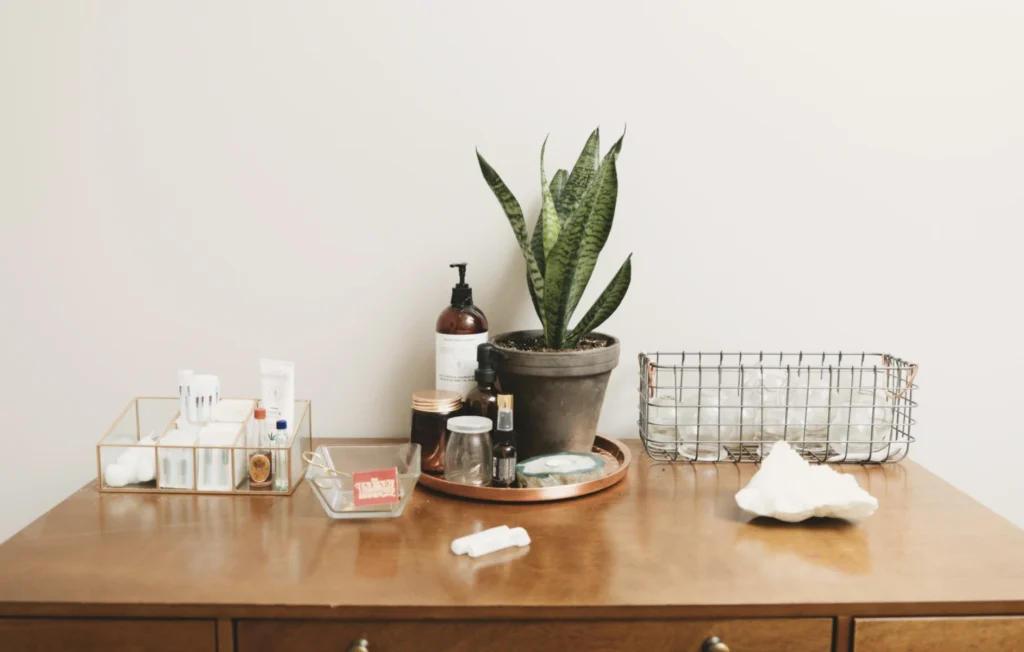
From the moment you walk in, the energy is different. The space is beautiful, full of plants, warm earth tones, wood elements, and subtle aromatherapy. It feels calming, elevated, and intentional. Even the small touches, like complimentary water, make a difference. It genuinely reflects the kind of environment we value in our own home.
The staff is diverse, welcoming, and you can tell they truly enjoy what they do. That energy carries throughout the entire experience.
Dr. Mimosa is incredible. She is knowledgeable, experienced, and most importantly, she really listens. Every visit feels personalized, and she takes the time to understand exactly what we need. That level of care is rare and deeply appreciated.
I also want to give a genuine shoutout to Dr. Mimosa, the practitioners at Copper Wellness, and the entire staff. Everyone plays a part in making this place feel as special as it does.
Booking is seamless, whether online, by phone, or through their waitlist system. Everything feels efficient and thoughtfully designed.
We’re both genuinely happy we found this place. It exceeded our expectations in every way. Thank you for choosing Chicago and creating such a special space. We’re looking forward to many more visits and hope you remain part of the neighborhood for years to come.
Oh yeah and one more thing! Happy 1st day of Spring!!!
Christopher & Genesis
🌺🐈✨️📿👋🏼❤️
We wanted something in the city, close to home, and in an area where we could turn our appointments into something more, like grabbing coffee or enjoying a date night after. This location checked all of those boxes.
From the moment you walk in, the energy is different. The space is beautiful, full of plants, warm earth tones, wood elements, and subtle aromatherapy. It feels calming, elevated, and intentional. Even the small touches, like complimentary water, make a difference. It genuinely reflects the kind of environment we value in our own home.
The staff is diverse, welcoming, and you can tell they truly enjoy what they do. That energy carries throughout the entire experience.
Dr. Mimosa is incredible. She is knowledgeable, experienced, and most importantly, she really listens. Every visit feels personalized, and she takes the time to understand exactly what we need. That level of care is rare and deeply appreciated.
I also want to give a genuine shoutout to Dr. Mimosa, the practitioners at Copper Wellness, and the entire staff. Everyone plays a part in making this place feel as special as it does.
Booking is seamless, whether online, by phone, or through their waitlist system. Everything feels efficient and thoughtfully designed.
We’re both genuinely happy we found this place. It exceeded our expectations in every way. Thank you for choosing Chicago and creating such a special space. We’re looking forward to many more visits and hope you remain part of the neighborhood for years to come.
Oh yeah and one more thing! Happy 1st day of Spring!!!
Christopher & Genesis
🌺🐈✨️📿👋🏼❤️

Esteban Espinoza
6 months ago
I started going to Copper Wellness around the beginning of 2023. I was having so much issues with my body physically, emotionally, and mentally. I had problems such as a stress ulcer in my stomach, constant anxiety, and restlessness. When I met Dr.Stephanie for my first consultation I let her know what was going on in all aspects of my health and she had a 6 week program to help me get back on track. This 6 week program included getting sessions from Dr. Adam my chiropractor. During this whole 6 week program I saw a tremendous improvement on my health to a point that I wasn’t having any pain in my stomach no more and that my body/mind were so relaxed. This included the recommended supplements I was referred to take outside of the office as well. I cried because I didn’t think I could get better since I went to doctors/ hospital visits and that all they said it was stress. I thought I had no hope of getting better but Copper Wellness put me on the right track. Even after the 6 week program I kept on going for constant maintenance for my physical/mental health. Every time I left a session with Dr. Stephanie I felt like a new person. She always heard me out and I felt like I wasn’t just another client. I felt like I was heard and that I had someone to be on my corner to help me out. Throughout my time there since 2024-2025 I have been helped with the best doctors there and knew I can always count on them to get better if I was hurting. Practices such as acupuncture, cupping, and chiropractor work always helped me in different parts of my health issues. Such as, back pain, hip pain, shoulder pain, anxiety issues & stress.Dr. Mimosa , Dr. Anais Dr. Adam & especially Dr. Stephanie. I appreciate you all so much and I am forever grateful for y’all on getting me back to a good healthy foundation.

Lawrence Nwajei
8 months ago
I cannot recommend Dr. Madden enough. Every visit leaves me feeling lighter, calmer, and more in tune with my body. She listens closely, remembers the details that matter, and truly cares about my wellness journey. I have seen real improvements since starting treatment. The space is always clean, relaxing, and welcoming. If you are considering acupuncture, look no further. She is the best and I am so grateful to have found her.

Shalini C
9 months ago
This is THE spot for wellness care. I've been seeing Adam, Stephanie and Bencia for neck, back and joint care for several years now. Each of them start by asking what's going on with my body and life stresses, then focus on an action plan for each session. They also offer tips on how to maintain those benefits between visits.

Alyssa Byron
9 months ago
I am so grateful for Copper Wellness. Dr. Mohr is the kind of clinician you want (and need) when it comes to restoring your health. As someone who has been navigating the sometimes difficult and painful path of autoimmune dysfunction, it makes all the difference to have not just a knowledgeable, but a deeply empathetic and caring clinician guide you along the way. My sessions are never rushed, always informative, and the space exudes a healing energy.

Franklin Eruo
10 months ago
Dr. Madden is absolutely exceptional. From the moment you walk in, you can feel the calm, healing energy of the space. She takes the time to really listen, understand your concerns, and tailor each session to your needs.
Whether you’re new to acupuncture or have been going for years, Dr. Madden’s expertise and gentle technique make all the difference. She explains everything clearly and creates an environment that feels safe and restorative. I can’t recommend her highly enough. she’s truly the best in her field here in Chicago.
Whether you’re new to acupuncture or have been going for years, Dr. Madden’s expertise and gentle technique make all the difference. She explains everything clearly and creates an environment that feels safe and restorative. I can’t recommend her highly enough. she’s truly the best in her field here in Chicago.

Marianna Campbell
1 year ago
I have been going to Copper Wellness for nearly 4 years and cannot say enough good things about the clinic and all of their providers. Dr. Madden is a truly exceptional acupuncturist. I worked with her almost weekly during my first pregnancy and postpartum, and now for my second pregnancy, and she has been such a blessing with hormone health, stress and anxiety management, digestion, and sleep. She has the most amazing presence and all of her guidance has always been spot on. I also saw Dr Mohr during my first pregnancy to help with pregnancy aches and pains and pelvic positioning - he is also wonderful, so knowledgeable and kind and helped relieve a lot of my physical symptoms during that time. I’ve gone to Benicia for massage too and she is one of the best! (and I’ve seen a lot of massage therapists in my life)
I am moving from Chicago soon and truly going to miss this amazing clinic.
I am moving from Chicago soon and truly going to miss this amazing clinic.

Jack Rieke
1 year ago
Dr. Mohr helped me tremendously with lower back pain and SI joint pain years ago and I still use the exercises he provided me to sustain feeling better. He used multiple techniques and movement based therapies to improve my ability to bend and lie down without pain.

Z Goldman
1 year ago
Copper Wellness has been a pivotal part of my wellness routine since moving to Chicago - can’t the imagine the city without them!

Amy Winters
2 years ago
I've been seeing Dr Stephanie Madden since last year, and the experience has been truly transformative. Overall, Copper Wellness is both calming and welcoming. Stephanie is always attentive to my needs, whether they are physical, mental or emotional. I always leave feeling more balanced than when I came. It's obvious that she truly cares about the well-being of her patients. If you are considering acupuncture, this is the place to go!

jake o
2 years ago
I can't say enough great things about my experience at Copper Wellness! Dr. Madden is truly incredible. She has been instrumental in helping me manage my weight and find relief from stress, something I've struggled with for a long time. Her personalized approach, calm demeanor, and deep knowledge made me feel completely comfortable and cared for during each session!

Scott Bunner
2 years ago
Copper Wellness has been a blessing in my life, I cant stop talking about the progress that Dr. Madden's treatment plan has made in my mental and physical health. The environment is calm, welcoming, and always filled with positive energy. I discovered Dr. Madden during a period of self reflection, I felt an imbalance in my life. When we met, she explained the practice and how it can impact the symptoms I was feeling. Acupuncture as a whole can change your life - it has mine, and Dr. Madden is the perfect provider to guide you to your ultimate wellness. Thank You Copper!

Joe Grady
2 years ago
I've been seeing Dr. Mohr for a number of years now and the results have been amazing! From the first visit, I felt welcomed and listened to. My back pain has significantly improved, and I feel more energized and aligned (pun intended). Highly recommend if you're looking for top-notch care!

Whitney Anthony
2 years ago
Copper Wellness has been my point of care for everything related to my body and immune system consistently for 3 years now. I started my journey when my low back and glute were bothering me. Between Adam for muscle and movement work in addition to adjustments and Stephanie for my first round of acupuncture continued through to two of the hardest athletic years of my life running 7 marathons and competing in 6 IM events I owe my body to this group. They always keep my races top of mind when treating me but more importantly work on exercise and life habit changes to improve any issues I’m experiencing rather than just putting a “bandaid” on something that hurts. Also note that the massage therapy is unbelievable, Blu as a MT is life changing and all of the practitioners communicate across practices so that all care is tailored to areas I need focused on. I HIGHLY recommend this group.

Lauren Mitchell
2 years ago
Absolutely love this place. I go to Dr. Madden for Acupuncture and she not only will take time to sit and listen to what is going on with my body, but she'll also curate a plan of attack that is personalized to my needs. I absolutely love coming here and appreciate everything that they do.

Jenna Watson
2 years ago
I. Love. This. Place! I see both Dr. Mimosa for chiropractic and Dr. Madden for acupuncture, and they are two of the best practitioners of *any* type of medicine I've EVER worked with. They listen. They care. They genuinely want to help you feel your best. I can't recommend them and Copper Wellness enough.

Megumi Anne
2 years ago
Best Chiropractors in the city yall!! Dr.Mimosa is sweet and easy to talk to. Dr. Adam is very easy to talk to as well. Highly recommend!!!

Jose Burgos
2 years ago
Can't say enough good things about Anais. Very professional, very knowledgably, and just an amazing caring person! You are in the best of hands with her, would highly recommend!

Julia Helms
2 years ago
I have been seeing Dr. Madden for acupuncture for almost a year now and I don't know where I'd be without her. She's incredible at what she does and the entire staff is awesome.

Juan Ayala
3 years ago
Anais is simply the best! Had a great review, consultation of problem areas and left feeling like I was on a cloud! Can't wait to go back, highly recommend the electrode therapy, it was amazing.

marcy swerdlow
3 years ago
Dr Madden is a miracle worker. For over a year I had issues with my feet. She was the 1st to say my calf’s were right! Her acupuncture was spot on and helped right away. The stress caused issues in my neck as well that she helped not only with acupuncture but cupping as well. Her care and compassion is amazing. I will continue on maintenance because she is so amazing. ‼️

Taylor Easterling
3 years ago
Copper Wellness has been a pivotal part of my health journey! The integrative services that are offered are tailored to my needs/situation. Specifically, when I needed to start doing massage therapy for upper and lower back pain, Cameron Sand did a great job from the start making me feel comfortable. Whenever I have a question, they answer it readily and explain how and what they are doing during our session. I’ve seen a huge improvement since working with them and couldn’t recommend them enough!

Jonathan Boyden
3 years ago
I sincerely wish that I could give Dr. Stephanie Madden 1 million stars. From the time that I met her for consultation through my entire acupuncture journey with her, she was incredibly attentive, genuine, personable, professional, precise, safe, knowledgeable, skilled, and wise with her work. I saw Dr. Madden for about 1 a little over a year to help resolve physical issues from emotional traumas and sufferings in my life. I cannot stress how different my life is from when I first saw her. She helped me get to core issues in my physical health that other doctors never came close to articulating, let alone being aware. Working those physical issues directly helped me so much with my emotional health. My quality of life now is so much better because of her contributions to my healing journey. After working with Dr. Madden, she is a practitioner that I trust and deeply respect. If anyone ever asks me to recommend an acupuncturist, I would never hesitate to recommend anyone to her. I even recommended her to one of my friends on his journey to receive a heart transplant, and she made a positive impact on his quality of life. He had nothing but positive things to say about her (and now he is thriving with a new heart!). Dr. Stephanie Madden has made a wonderful impact on my life, and I can only imagine the impact she is making on the lives of others whom encounter her. She is someone that has answered her call in life, and is absolutely brilliant at it. Brilliant!